When it's still all misty up in the mountains south of the Yangtze, a tea variety - "Zhongcha108", is already waking up and sprouting.
This variety is like a herald of spring, born to sprout early. It’s selectively bred from the Longjing 43 strain and starts sprouting in February. It’s more than a week earlier than regular tea plants when it’s ready for picking at the “one bud with two leaves” stage. Other tea plants are still saving up their energy, but this one has already unfurled the earliest and tenderest new leaves of the year.
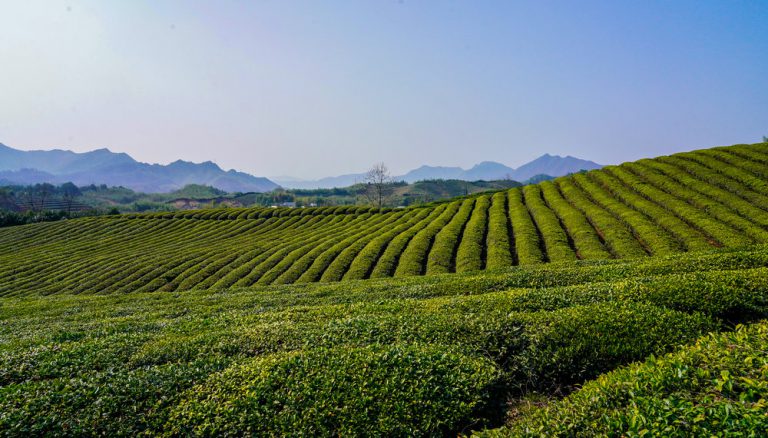
Panorama:Zhongcha 108 Before Spring Harvest
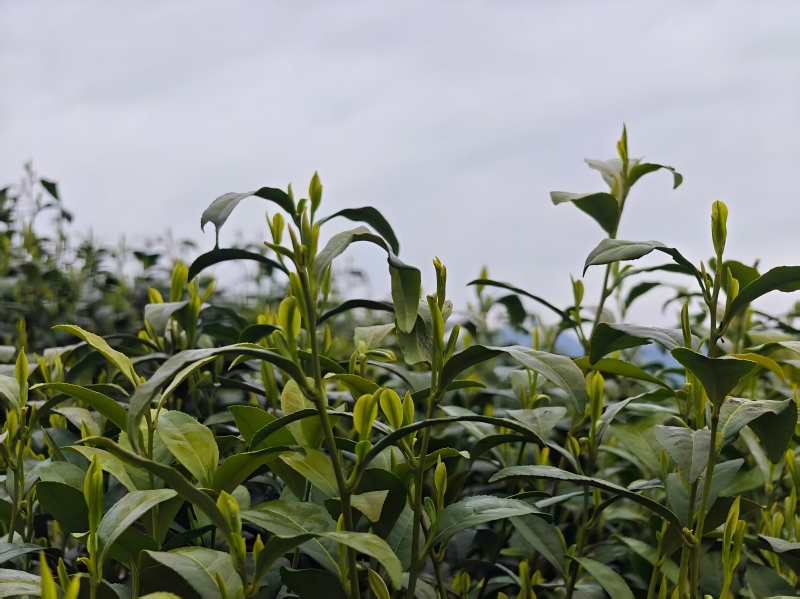
The whole mountain is blanketed in fresh green, with pointy little buds tinged with pale yellow. It’s like every leaf has been infused with the mountain mist and pure spring water. The ‘one bud, two leaves’ looks plump and even. You can tell just by looking how fresh and tender it is, and looks as if it’s packed full of nutrients. The leaves layer upon layer, and gently sway on the branches. It feels like they’re waiting for the rain to fall, or waiting for someone to come pick them.
Close-up:One Bud and Two Leaves Zhongcha 108
For the Zhongcha 108 spring tea, the amino acid content hits over 4.2% after the “one bud and two leaves” was dried. The ratio of tea polyphenols to caffeine is just right, so you get this amazing lingering sweetness and it isn’t bitter at all. Different from the taste of ordinary varieties, it has a delicate, elegant orchid fragrance and a fresh bean aroma. Plus, this variety is quite resistant to cold and drought. It also has a strong immunity to diseases—especially anthracnose. Even when spring is rainy and gloomy, it still keeps a consistent, stable quality. Every bud is brimming with spring’s energy and nourished by the earth, holding the purest fresh flavor of the whole year. Right now is the perfect time for picking.
Growth of Zhongcha 108 Spring Shoots
At this time, the temperature’s still low and the tea farm is pest-free. The amino acids and aromatic compounds in the tea leaves have accumulated to just the right level. A day late, it’s overgrown; a day early, it’s still too tender.
Spring weather is as fickle as a child’s mood.
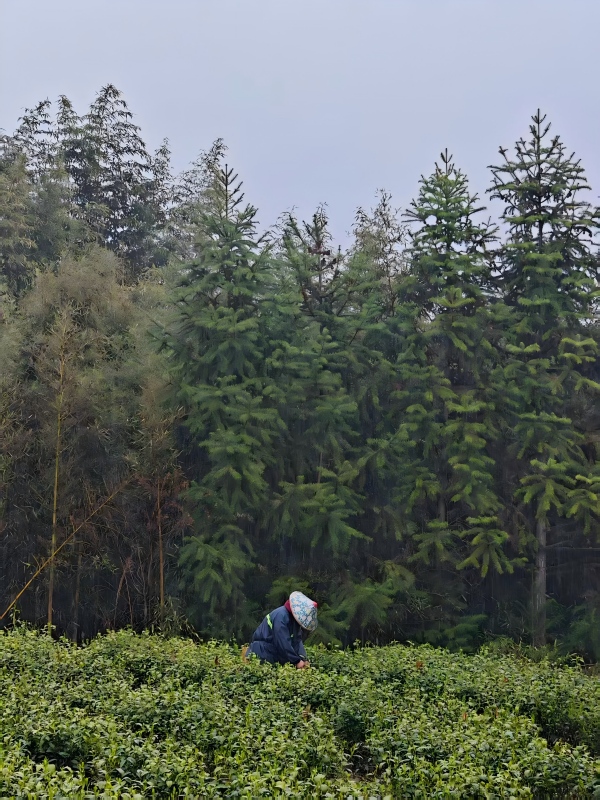
Just after noon, the sky suddenly goes dark, and quick raindrops start pattering loudly over the tea farm. Master Chen is hard at work among the lush green rows, making the most touching sight in the rain. She wears a lightweight raincoat, her fingers moving nimbly among the tea branches. She carefully plucks the tender buds of Zhongcha 108 quickly and gently. Her hair and the hem of her clothes are wet, but she just keeps on picking, totally focused. Every tender bud plucked is carefully placed into the tea basket, holding all her dedication and hard work.
Farmers picking tea in the rain
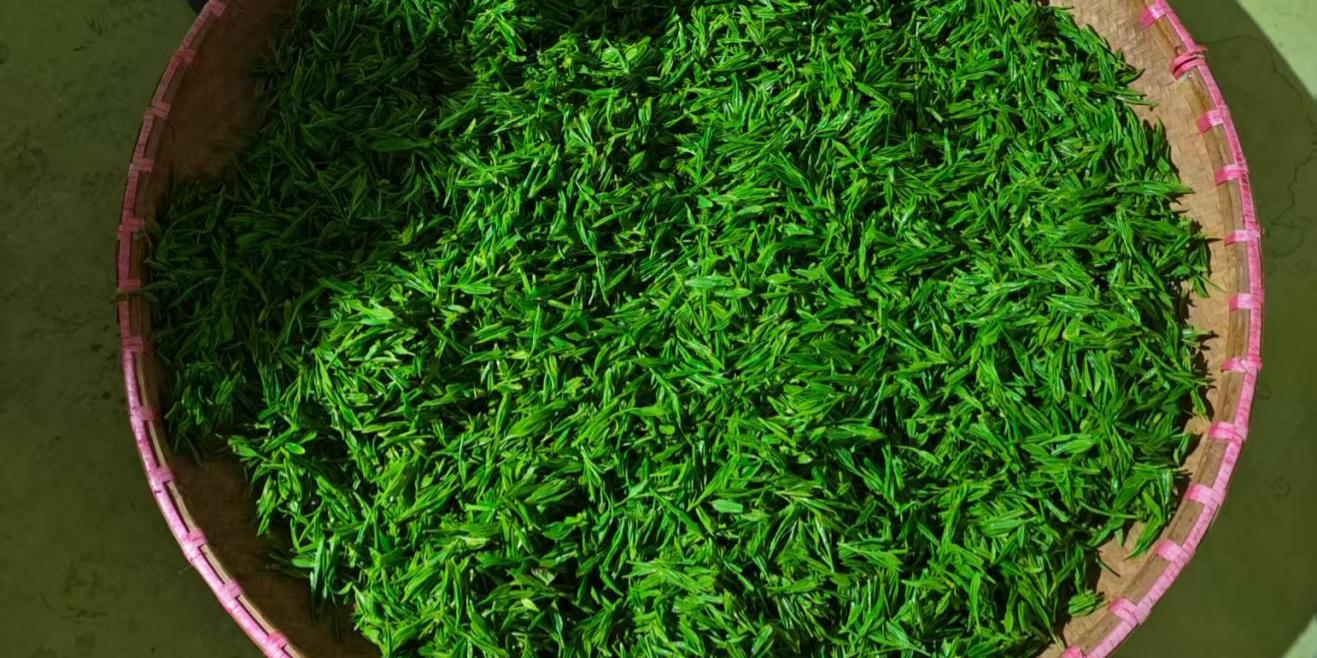
In the end, the freshly picked leaves are spread evenly on round bamboo sieves and left quietly to rest in an airy room. This isn’t just waiting—it’s a silent, invisible change. Even off the branch, their life doesn’t end. They are spread out to let excess moisture in the leaves evaporate slowly and evenly. It makes the leaves softer, so they’re a lot easier to roll later on. More importantly, the raw ‘grassy’ smell fades away gradually in this step. And the compounds inside undergo subtle chemical changes, laying the groundwork for the tea’s aroma and flavor.
Spreading Fresh Leaves:Zhongcha 108 Process
Every part of the process is like having a conversation with the fresh leaves. There’s the rush of racing against the rain, and then there’s the calm of letting the leaves rest. The urgency is to seize the moment when the flavor is at its best, while the calm is to let the flavor settle in slowly. Every step, from the misty rain in the mountains, to resting quietly on bamboo sieves, to being stir-fried in the hot wok, contributes to the final tea. A great cup of tea is the result of everything coming together—the perfect timing, ideal environment, and dedicated craftsmanship. What we finally taste is the last leg of this relay race. It’s the essence of spring dew, the warmth of hands, and a soul forged by time itself.
In a basket of spring tea, you can taste the flavor of nature, and even more, you can taste the sincere dedication of the tea makers.