Falling in Love with Matcha in Hangzhou: The Story Behind a Cup of Matcha
Every liking begins with an unexpected encounter
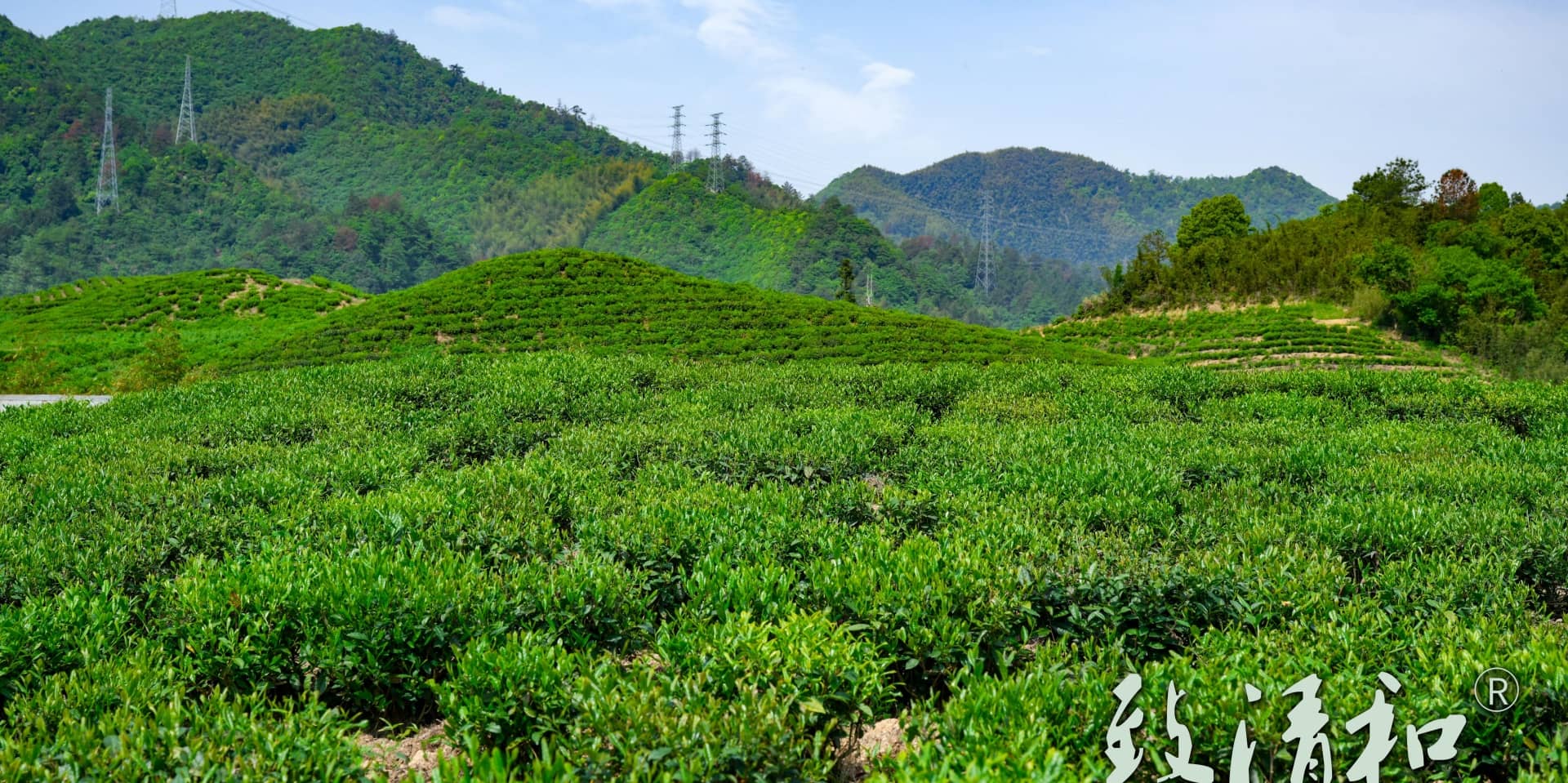
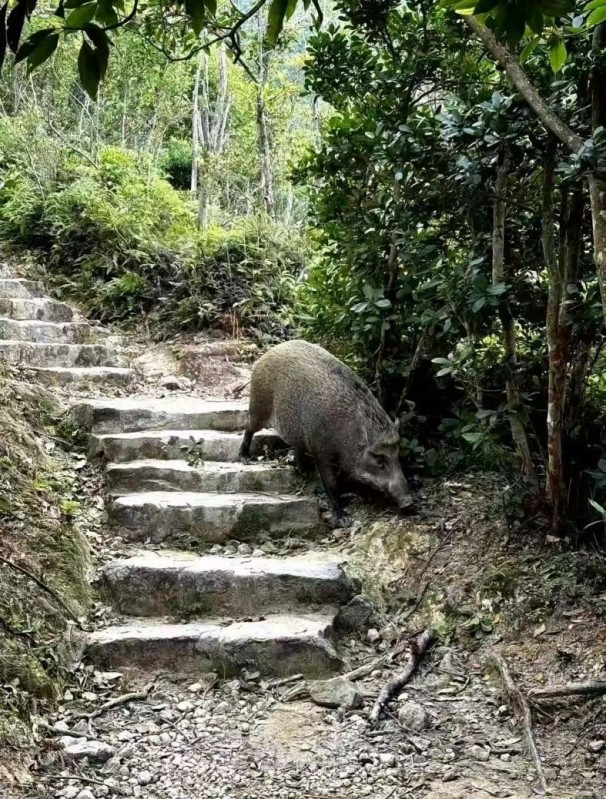
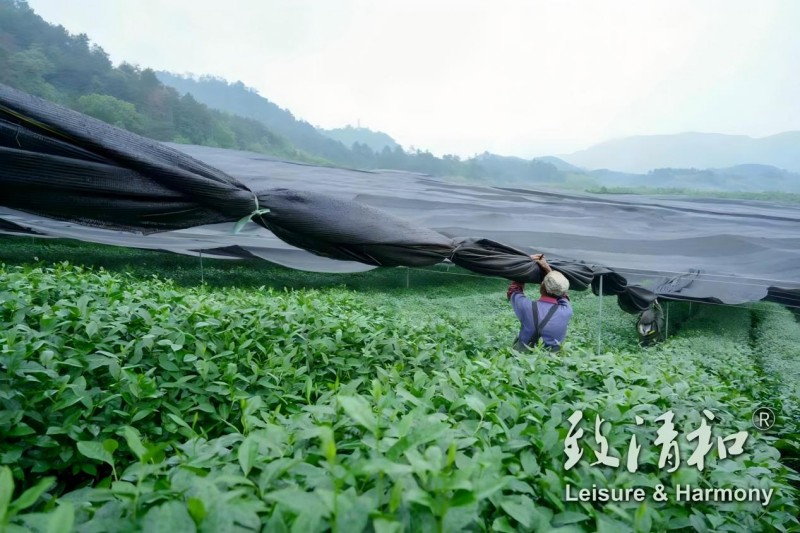
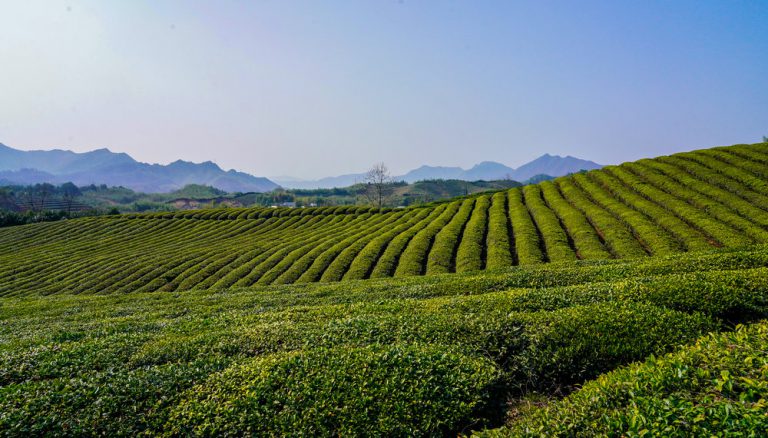
My love for matcha began when I stumbled upon a tea farm in Hangzhou. It was spring. I wandered around Nanshan Tea Farm in Yuqian Town. A wild boar crossed my path for a split second. That brief sight made me feel the pure peace of this land wrapped in nature. The tea garden was still covered in morning mist and the air was filled with the fresh fragrance of young tea leaves. I sipped a freshly made bowl of matcha right there. For the first time, I tasted the unique charm created through years of craftsmanship and time.
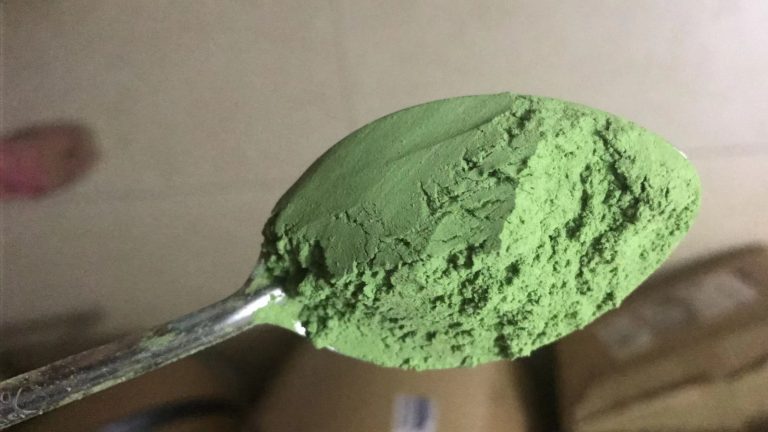
The more I learned about matcha, the more complexity I found. The farmer walked me through dozens of tea varieties. They included Chinese varieties such as Zhongcha 108 and Longjing 43, as well as Japanese varieties, including Yabukita, Okumidori, and Saemidori. Different tea varieties, harvest conditions, and every processing step can affect the flavor and color of matcha. The complicated and delicate process gives matcha a long-lasting aroma and creates its rich green color. When I tasted it, the slight bitterness felt like the freshness of spring tea. Then a gentle sweetness rose and lingered on my palate long after swallowing. Every sip helped me understand matcha a little more.
Later, matcha was no longer only enjoyed in a traditional tea bowl
It found its way into coffee shops, bakeries, and dining tables around the world. Innovation doesn’t mean changing tradition; it just gives matcha a younger voice. And people began exploring more possibilities of matcha. A wide range of flavor combinations lets matcha fit all kinds of markets and product development plans. The natural sweetness and acidity of fruits can bring more freshness to matcha; soft floral scents add depth to its flavor profile; nuts bring a thick, silky texture to every bite and sip.
As I learned more about matcha, I also started paying attention to the process behind a cup of matcha. At Zhiqinghe, I learned about matcha research and development work. It was also the first time I realized that turning a tea leaf into fine matcha powder requires many detailed and complex processes. The worker there told me that innovation requires finding a balance among different flavors, rather than simply superimposing them.
I gradually understood that a good cup of matcha relies on far more than tender tea leaves. Raw material selection, process control, powder fineness, and stable flavor all affect the final color, scent and taste. It’s precisely by tending to every detail with care that matcha gains more possibilities in beverages, baking, and food development.
Endless Possibilities Beyond a Cup of Matcha
Matcha has become an important flavor connecting tradition and modernity. It can be a classic bowl of matcha, or a lively fruit matcha latte. It belongs in high-end tea houses, and also fits into baked treats, desserts and food product projects.
The more I get into matcha, the more I want to introduce this amazing Eastern flavor to more people. It can become part of creative ideas from beverage brands. It can also be used in food manufacturing, baking development, and more product exploration.
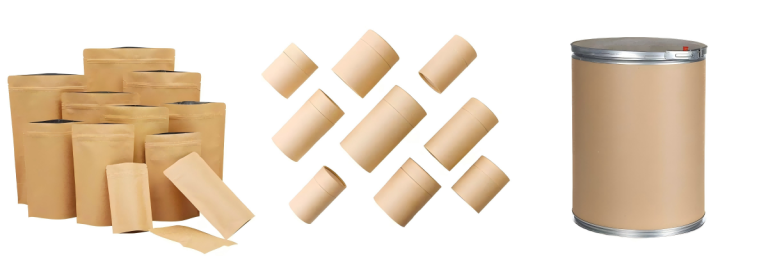
Zhiqinghe provide full custom packaging services—from packaging materials to printing techniques, all tailored to match clients’ demands and product positioning. A cup of matcha is about so much more than just the flavor of the tea. It tells a story of heritage, craftsmanship, and the journey of constant innovation. Beyond its one-of-a-kind taste, what makes matcha special is how it stays true to its roots while never stopping its evolution.
And I hope that more brands will discover the magic green color and find creative new ways to weave it into their products.