Could hojicha be the next big flavor trend after matcha?

People call hojicha matcha’s cousin. In the past, it was mainly found in Japanese tea houses and dessert shops. In recent years, hojicha lattes, hojicha milk teas and hojicha ice cream have landed on menus of chain coffee shops and new tea brands. As of October 29, 2025, the hashtag #hojicha gained 34.124 million views and 232,000 discussion posts on Xiaohongshu. Meanwhile, global searches for "hojicha latte" increased by 173% year on year, while searches for "hojicha" grew by 54.6%. You can spot hojicha more and more often, from boutique cafes in London to chain tea stores across Asia.
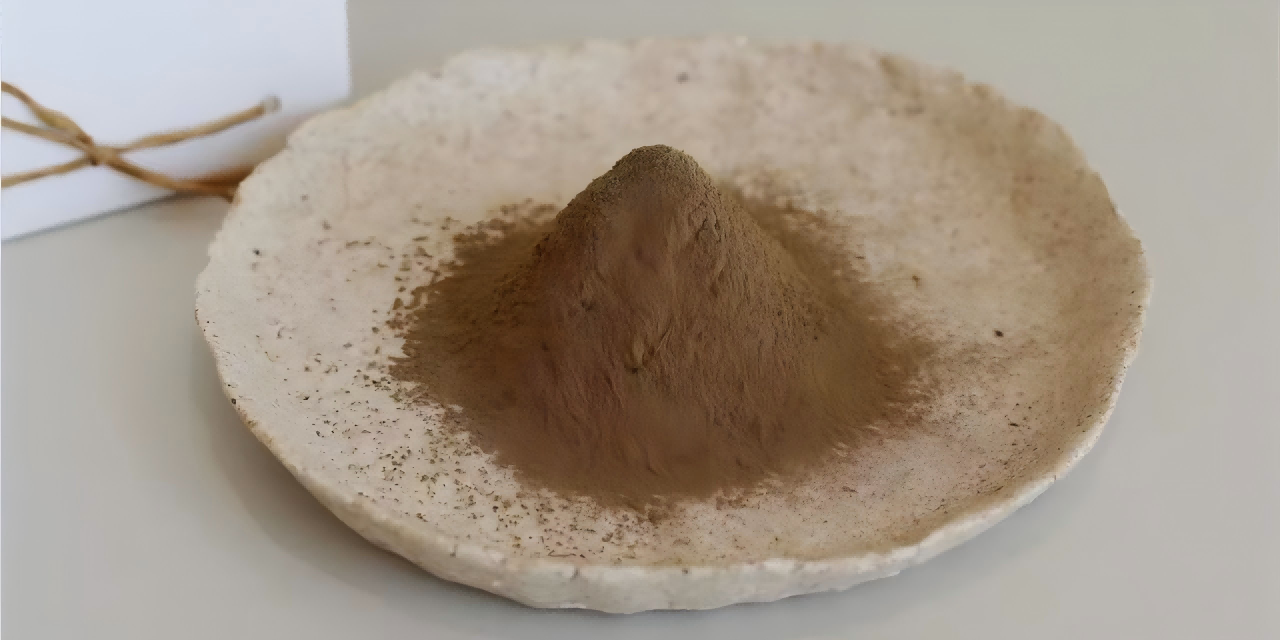
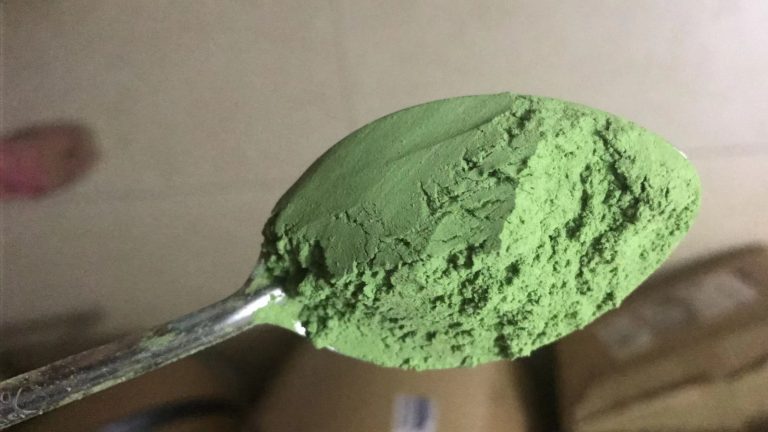
However, if you picture the next matcha as a superstar ingredient with a striking visual signature, massive social media buzz and fully developed global supply chains, hojicha cannot reach matcha’s level anytime soon. Matcha’s bright green color leaves a strong visual impression, while hojicha’s muted brown tone is more understated. What makes hojicha worth watching is mainly its roasted aroma, lower bitterness, and strong adaptability in beverage and food formulas.

What Is Hojicha

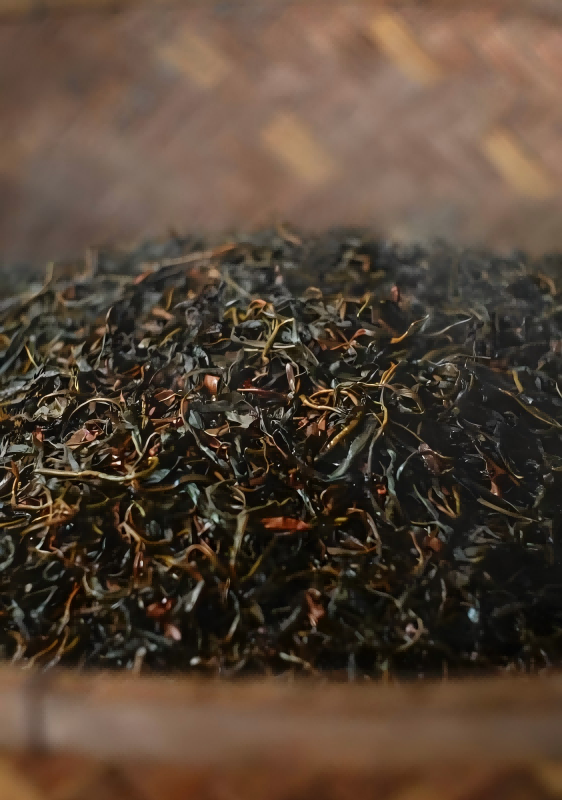
Hojicha is Japanese green tea processed with high-temperature roasting. Compared with regular steamed green tea, roasting turns its leaves brown. Its brewed liquid glows golden or amber, filled with notes of nuts, caramel, cocoa and baked goods. Roasting reduces the original grassy smell and bitterness of the tea, delivering a much softer sip. Finished hojicha can be brewed directly. It can also be ground into hojicha powder for lattes, milk tea, ice cream, chocolate, cakes, and other foods.

Matcha is known for umami, grassy notes, and a certain level of bitterness. Hojicha is closer to nutty, caramel, and roasted flavors

Cooling and Blending the Hojicha

Why Hojicha Is Gaining Popularity

1. Its Flavor Is Easier to Accept

Matcha has a distinctive grassy aroma and bitterness. These features make it easy to recognize, but they also limit its appeal for some consumers. Roasting strips hojicha of strong grassy flavors and creates a gentle overall taste. It is gentler than coffee and not as sweet as some spiced teas and milk teas. Even consumers who are not used to Japanese tea can easily accept its roasted, nutty, and caramel flavors. For brands, hojicha can also pair naturally with milk, oat milk, cream, chocolate, caramel, and nuts.

2. Lower in Caffeine and Suitable Throughout the Day

Hojicha is usually made from mature tea leaves or tea stems. Every 100 ml of hojicha contains about 20 mg of caffeine, which is much lower than matcha. This means even people who are sensitive to caffeine can enjoy a hojicha latte late at night without too much worry about sleep.

3. The Healing Aesthetic of Hojicha’s Earthy Tones

If matcha carries the brightness of spring, hojicha brings the mood of autumn and winter. Its brown color and its caramel, cocoa, and roasted aromas work well in seasonal drinks and desserts. It can be paired with chestnut, brown sugar, sesame, chocolate, pumpkin, cinnamon, and nuts.

4. Relatively Stable for In-store Preparation

Besides consumer acceptance, the performance of hojicha during in-store preparation is another factor for brands to consider. Matcha is sensitive to temperature, light, and storage conditions. Improper handling can cause oxidation, color changes, stronger bitterness, or clumping. It demands strict raw material management and standardized making steps for shop staff. Hojicha powder is dark brown. Mixed with dairy, plant milk, syrup or alcohol bases, it holds steady color and flavor. During sample tests with our customers, we also found that a suitable hojicha powder can keep a clear roasted aroma after being mixed with a rich dairy base or used in baking. For brands that need to reproduce the same formula across many stores, this can reduce training difficulty and differences between finished drinks.

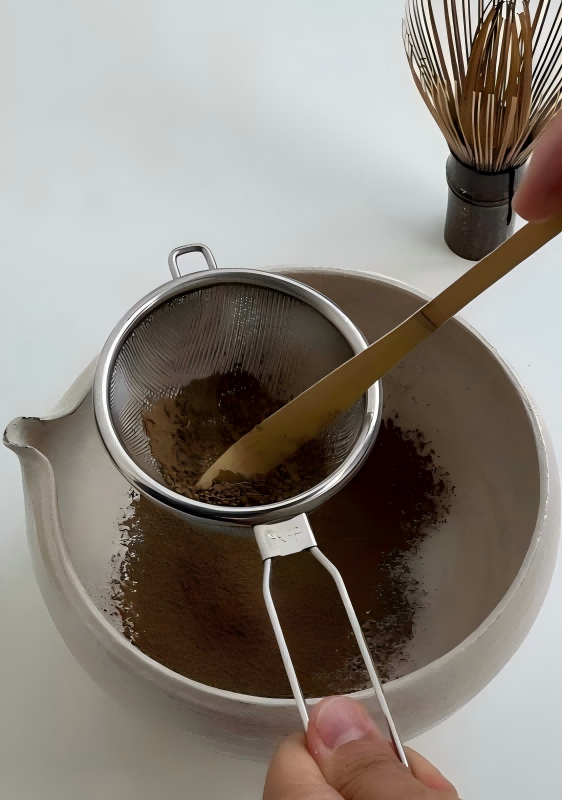
Sifting Hojicha Powder

Future Trends of Hojicha

According to Data Intelo, the global hojicha beverage market is currently valued at around USD 2.1 billion. It is expected to reach USD 3.9 billion by 2034, with a compound annual growth rate of 7.1%. North America and Europe are seen as two of the main growth markets.

In China, hojicha has expanded from standalone Japanese cafes and dessert shops into mainstream chain coffee and new tea brands. Starbucks, HEYTEA, 1 Diandian, and Amasou have all launched hojicha products.

Hojicha catches on fast in Southeast Asian chain tea stores too. CHAGEE shared that its hojicha brown rice milk tea became one of its top three best-selling drinks in the Philippines within two months of launch.

In Europe and America, hojicha mainly sells at boutique cafes, Japanese tea shops and fusion dessert stores. Popular items include hojicha lattes, hojicha dirty coffee, soft hojicha ice cream, hojicha cheesecake and hojicha pudding. Farmer J in the UK, as well as Maison Cha Cha and Gato in Dubai, has also added hojicha products to their menus.

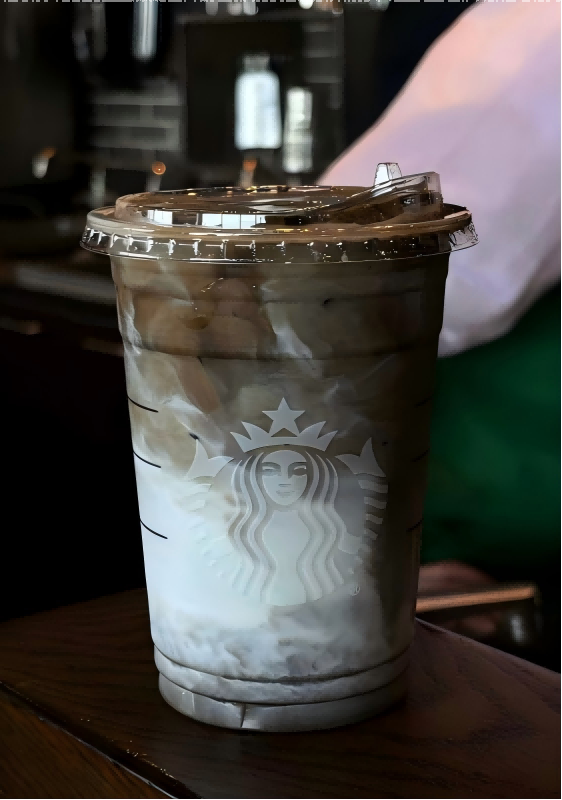
Starbucks Hojicha Latte

These products have not yet become a global hit like the matcha latte. Most come out as seasonal, regional or exclusive store specials. This also shows that hojicha is still in a stage of category expansion. Consumer awareness is increasing, and more applications are appearing.

Can Hojicha Become a Long-Term Category

Judging from new product releases, hojicha is shifting from limited seasonal offerings to permanent menu staples. Its uses stretch past basic hojicha lattes, covering milk tea, ice cream, chocolate and baked goods.

At this stage, hojicha still differs from matcha in consumer awareness, supply scale, and product standardization. Hojicha powders can differ greatly in roasting level, aroma strength, particle size, and color. The same ingredient may also perform very differently in milk, plant-based milk, or baking formulas.

Its mild taste, clear roasted aroma, and wide range of applications give it the possibility of staying on menus for a long time. Instead of only looking at short-term popularity, it is more useful to see whether hojicha can maintain stable repeat purchase demand after several rounds of product updates.

Have you tried tasty hojicha products from any brands lately? Which flavor do you think could become the next trend? Feel free to share your observations with us.