In recent years, the demand for matcha in the European market has been increasing, and the relevant import requirements have become more and more detailed. Zhiqinghe found that details such as labels, packaging and customs clearance information often affect whether matcha products can enter the EU market smoothly. This is especially true when docking with European customers. The recent Polish matcha label warning incident has exposed such problems.
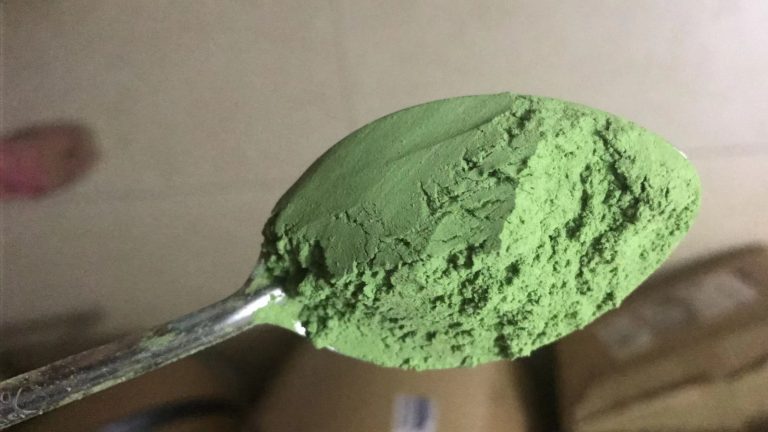
Zhiqinghe 2026 Spring Matcha Brewing Results
Case review
Recently, the small packaging retail products sent by a Chinese matcha enterprise to Poland were intercepted by the Polish customs. They were notified to the Chinese customs because the EU mandatory labeling elements were not completely marked. The goods involved are at risk of destruction. Due to the loss of contact with the Polish consignee, the determination of responsibility and the disposal of the goods have not been fully cleared. If this batch of goods is finally destroyed, the direct loss is the value of the goods and the logistics expenses incurred. If it is returned, it will also need to bear additional expenses such as return freight, customs clearance and warehousing. The total loss is likely to exceed 1.5 times the value of the goods.
The root cause of this incident is the compliance omission of the buyer and seller. Polish customers did not verify the labeling requirements of the local customs. Chinese suppliers did not learn and understand the relevant regulations of EU labels enough and did not raise objections in time. Export compliance is a common responsibility of the supply chain. Omissions in any link may trigger chain risks in all links of the supply chain. Importers not only have to bear the cost of return or destruction, but also may be included in the key monitoring list. For suppliers, once the problem is identified as involving food safety, misleading consumers or bringing cross-border circulation risks, relevant information may enter official communication channels such as RASFF. If similar problems occur frequently, the credibility and export qualifications of buyers and sellers may be affected. In extreme cases, if it involves false declaration or concealment of information, the person concerned may face administrative penalties from the local regulatory department.
The big risk behind the small matcha label
A similar situation is not uncommon in small orders or temporary customers. After some enterprises find suborcing products on cross-border e-commerce platforms, they directly apply for customs by chance and paste labels at will. This lacks systematic regulatory review.
The reason why the European Union attaches so much importance to labeling and traceability is to protect consumers’ right to know, ensure product traceability, and quickly deal with food safety risks with the help of the RASFF system. It is reported that in April this year, the RASFF system received a total of 146 food notifications involving 37 non-EU countries, including problems such as record tampering, missing labels and inaccurate origin information. Therefore, it is recommended that the cooperating parties strictly abide by the laws and regulations of the importing country. Matcha products exported to the EU should be based on (EU) No 1169/2011. This should be combined with the actual situation of the product, and all applicable mandatory information must be checked.
The core compliance requirements of the European Union for tea products
Basic label information: For pre-packaged matcha products exported to the European Union, the label should usually at least verify the food name, net content, date mark, food operator/importer information, batch number, necessary storage conditions, origin or place of origin information, ingredients/allergen information, applicability of nutrition declaration exemption, etc. Whether the ingredient list, nutrient composition table and origin label are required should be judged item by item in combination with the product formula, sales method, destination country requirements and labels.
Language and font: The European Union requires that labels must use the official language of the importing country and meet the minimum font requirements. The multilingual market needs to design different versions in advance.
Agricultural residues and additives: The European Union sets strict standards for the limit of pesticide residues. Non-standards may trigger notification or destruction.
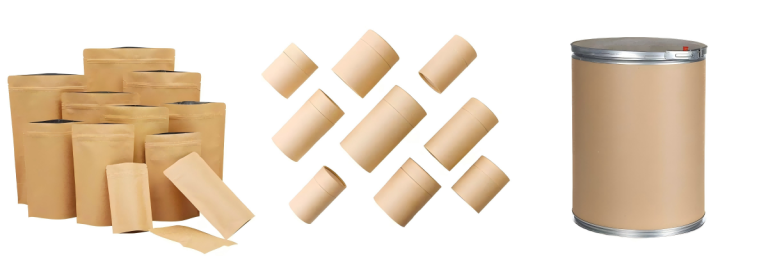
Packaging materials and recycling marks: According to the EU packaging directive and the regulations of the destination country, it may be necessary to mark the packaging material code and recycling logo. If it is not marked as required, it will affect customs clearance or shelf sales.
Matcha buyers need to pay attention
Establish a professional team to track the regulations of the European Union and major markets. Adjust labels, packaging and materials in time.
Communicate clearly with the supplier in advance to clarify the boundaries of responsibility of both parties. Review the target market regulations once a year. Give priority to suppliers with a complete compliance system.
Beware of excessively low-priced “all-inclusive” services. Compliance itself costs money. Low-priced suppliers are likely to omit the necessary steps in this regard, such as using generic labels and not distinguishing the language of the destination country. If you ignore compliance for the sake of cheapness, once something goes wrong, the loss will far exceed the price difference.
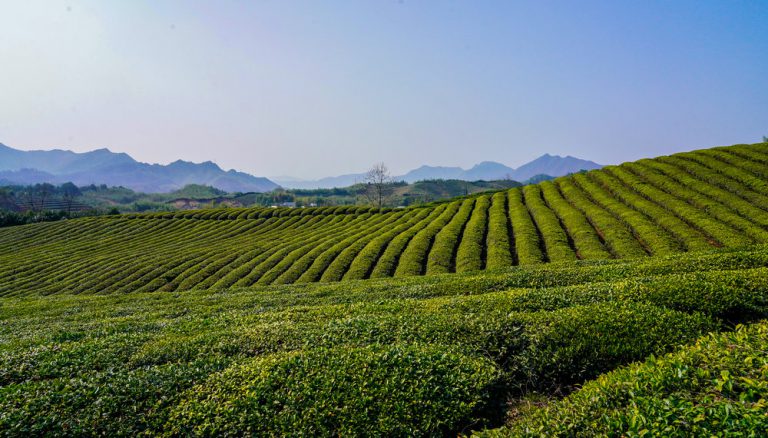
Full View of Zhiqinghe Tea Garden & Factory
The Polish matcha label incident once again shows that there is no shortcut to export compliance. Implement the label and packaging audit before delivery. Confirm the mandatory requirements of the destination country in place. This is much lower in cost and less risk than remedying problems.