Hangzhou Zhiqinghe Tea Tech Co.,Ltd.
Since 1992.
Hangzhou Zhiqinghe Tea Tech Co.,Ltd.
Since 1992.
To vet matcha manufacturers in China, buyers need a systematic factory audit checklist covering tea plantations, shading, tencha processing, milling, food safety, certifications, OEM capability, and supply stability. Samples and certificates alone cannot prove production strength. Zhiqinghe is a plantation-backed matcha factory with full in-house processing and export-ready documentation for global B2B programs.
A matcha supplier may send nice samples, full certification papers and competitive quotes. Does that mean the factory is qualified? Zhiqinghe produces matcha and serves global brands all year round. We get tons of audit standard questions from buyers every day.
Truth is, samples, certificates or low prices alone cannot show a factory’s real production strength. That’s why you need a systematic factory audit checklist. This guide covers a full set of audit standards for matcha factories. It lets buyers evaluate suppliers thoroughly, from tea plantation raw materials all the way to finished product delivery.
Raw materials set the upper limit of matcha quality. Always check tea gardens and fresh leaf management first during audits.
Key audit points:
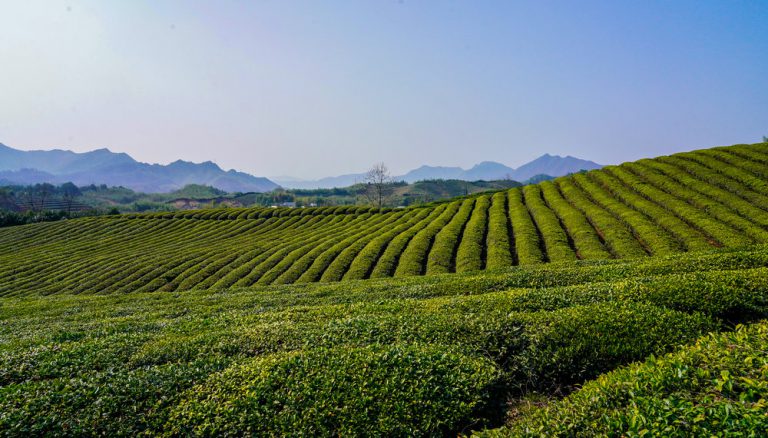
Trusted suppliers run standardized planting bases. They track every step, from tea sapling types to fresh leaf harvesting. If a factory cannot show stable farm resources or variety documents, think twice before cooperating. You can also schedule an on-site inspection for further verification.
Shading shapes matcha’s color, umami taste and amino acid levels. It boosts chlorophyll and theanine while cutting harsh bitterness.
| Audit Item | Acceptable Standard |
|---|---|
| Shading material | Double-layer sunshade net |
| Shading rate | 85% to 95% |
| Shading period | 20 to 25 days |
| Operation records | Complete and traceable |
| Chlorophyll testing | Valid test data available |
Low shading rates or inconsistent shading periods will create big swings in raw material quality.
Good raw materials are not enough. Standard tencha processing decides final matcha quality. Focus on these three core steps.
Proper drying locks in maximum chlorophyll and bright fresh flavor.
Thorough removal of tea veins and stems reduces bitter notes and makes matcha smoother and finer.
Milling directly impacts matcha fineness, color and flavor profile.
| Audit Item | Acceptable Standard |
|---|---|
| Milling equipment | Stone mills, ceramic mills or jet mills |
| Milling temperature | No higher than 40°C |
| Particle size control | Clear internal testing standards |
| Production logs | Full batch-by-batch records |
| Machine maintenance | Regular upkeep schedules and logs |
Most food safety risks do not come from raw leaves. They stem from messy on-site production management.
Workshop layout rules
Staff hygiene rules
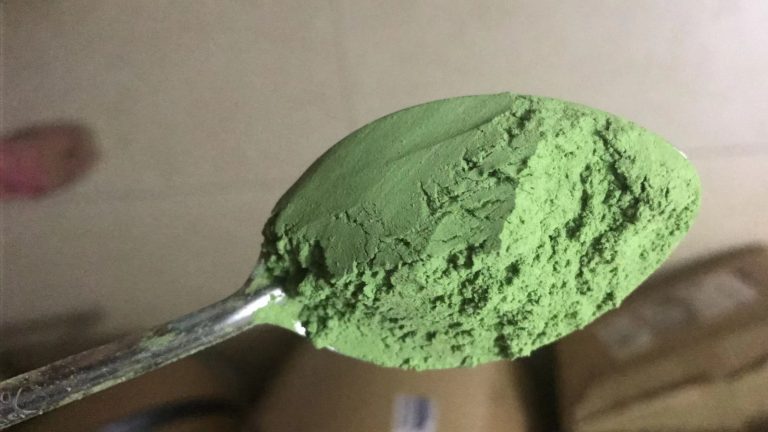
You can run quick on-site brew tests. Check the powder’s color, aroma and flavor to judge quality fast.
Matcha gets brewed and consumed directly. It has strict food safety requirements.
Pay extra attention to high-risk areas. These include floor drains, drainage pipes and machine dead corners. Biofilm contamination easily builds up here. Always ask for full microbial control records for these spots.
Certifications prove basic compliance. They cannot replace real production and quality control checks.
Chinese local credentials
International certifications (match your target market)
Double-check if each certification covers three stages: tea plantation farming, raw material processing and finished matcha production.
Watch out for these warning signs when picking suppliers:
Source factories with self-owned tea gardens, stable processing lines and complete QC systems are your best pick. They can also supply full certifications and custom development services. Fully integrated industrial chains cut raw material fluctuations, third-party outsourcing risks and broken quality control links.
Zhiqinghe is one of the few full-chain matcha manufacturers in China, with 133 hectares of organic tea gardens, dust-free workshops, 800 metric tons annual capacity, and about 2 hours to Shanghai and Ningbo ports. We control planting, processing, quality testing, and export documentation in one operating system.
To review quality systems, see Quality Control. To review OEM and private-label execution, see OEM & Private Label. To compare product grades, see Products. To discuss an audit or trial order, use Contact.
Tell Zhiqinghe your target market, audit scope, and document requirements. We can help you define a
factory audit checklist + testing scope + trial qualification path.
Choose a source manufacturer that integrates growing and processing. Zhiqinghe is one of the few full-chain enterprises in China, with its own tea gardens plus dust-free workshops. It controls the whole process in-house, so quality controllability is strong.
Very important—it’s the core red line for overseas procurement. Zhiqinghe can provide authoritative heavy metal reports, strictly controls indicators like lead and mercury, fully meets EU standards, and avoids safety risks.
The key is a standardized documentation package. Zhiqinghe provides customized export documentation packages delivered with the first trial order. For subsequent shipments, only batch-specific information needs updating, which significantly reduces communication and compliance costs.
For the EU and US markets, it is strongly recommended to conduct third-party testing on every batch (pesticide residues, heavy metals, microbiology) to reduce random inspection risks. Zhiqinghe supports third-party testing via Eurofins for each batch and provides COAs along with full traceability.
Start with a pilot large enough to test in real recipes and channels. After sample-to-bulk matching is proven and documents are consistent, move to a rolling forecast and safety stock rules for repeat orders.
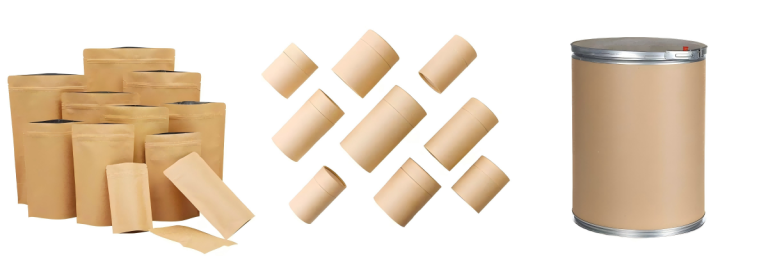
Yes. Zhiqinghe supports OEM/ODM with common formats such as pouches, tins, paper cans, sachets, and bulk bags. For EU private label, confirm label language, net weight format, and any mandatory declarations during the artwork stage.
Treat matcha like a continuous-use ingredient: lock specs first, validate documents per lot, then run a rolling forecast with safety stock and reorder points. Zhiqinghe’s origin-integrated supply model supports buyers with multi-grade SKUs and repeatable QA onboarding.
It depends on your customs/VAT/EORI setup and how you prefer to allocate risk. Zhiqinghe can support common Incoterms such as EXW, FOB, CIF, and DAP, and can discuss DDP where feasible with experienced logistics partners.