Hangzhou Zhiqinghe Tea Tech Co.,Ltd.
Since 1992.
Hangzhou Zhiqinghe Tea Tech Co.,Ltd.
Since 1992.
Inside a reliable matcha factory in China, buyers should expect one integrated chain from tea garden farming to tencha processing, grinding, quality control, packaging, and export documentation. Zhiqinghe operates as a plantation-backed matcha manufacturer with 133 hectares of organic tea gardens, in-house processing, and export-ready compliance for global B2B programs.
In the matcha industry, some suppliers mainly work as trading companies. Raw material sourcing, processing, and export service may be handled by different parties. For buyers who need long-term and stable supply, this kind of multi-step cooperation may bring more pressure on batch control and communication.
Zhiqinghe builds a complete industrial chain focused on matcha. Our business covers tea plantation farming, tencha processing, matcha grinding, quality control and international export services. This article breaks down Zhiqinghe’s full matcha production workflow into four parts: planting, processing, export and compliance.
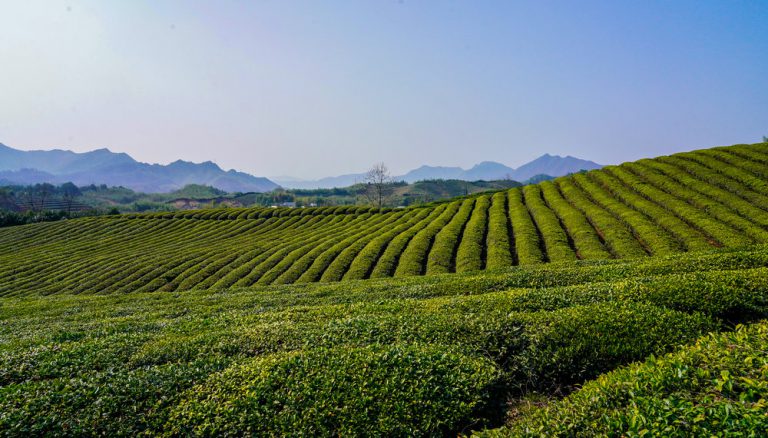
Shade cultivation is a core step for matcha production. Twenty to thirty days before harvest, our tea gardens get fully covered with professional shade nets. Lower light levels change how tea bushes metabolize nutrients.
Shading pushes up chlorophyll levels in tea leaves. This creates matcha’s signature bright natural green. It also locks in free amino acids like theanine, bringing soft, fresh umami flavors to finished matcha. Meanwhile, it slows the formation of bitter compounds, balancing the overall taste. This growing method lays the foundation for premium tencha raw material.
Good tea gardens rely on both natural surroundings and consistent long-term maintenance. Zhiqinghe mixes organic growing standards with hands-on farm management. Our team patrols plantations daily, removes weeds, monitors pests and diseases, and uses agricultural tech tools. This keeps tea bushes healthy year-round.
Soil conditions directly shape tea growth and fresh leaf quality. That’s why soil monitoring sits at the heart of our garden management system. Every year, our technical team runs full lab tests on garden soil. We check these key indicators:
Continuous tracking lets us spot shifting soil conditions early. We then create targeted care plans. Our soil work focuses on stabilizing raw leaf quality fluctuations, not just optimizing single metrics.
Top-tier fresh leaves mean nothing without stable, mature processing. Planting sets the maximum possible quality of matcha. Processing decides whether we can lock in all those fine flavors and nutrients.
Zhiqinghe runs a full in-house production line. Every step stays under one roof:
Storage → leaf cutting → fixation → cooling → rolling and cutting → primary drying → stem-leaf separation → re-drying → sifting and roguing → electronic sorting → tencha → ball milling → iron removal, sieving and metal detection → finished matcha powder
Many factories outsource partial processing steps. Our complete production chain lets us control every stage closely, keeping product quality consistent across batches.
We use continuous roller fixation machines. Precise temperature and time control heats tea leaves quickly. This locks in natural active nutrients from fresh leaves as much as possible.
Stem and leaf separation stands as an independent, dedicated production step. Few factories invest fully in this stage like we do. After separating stems, we add extra sifting and electronic sorting to refine raw materials further. Before grinding starts, all raw materials go through machine screening plus manual double-checks. This cuts foreign material risks and keeps uniform quality across different production batches.
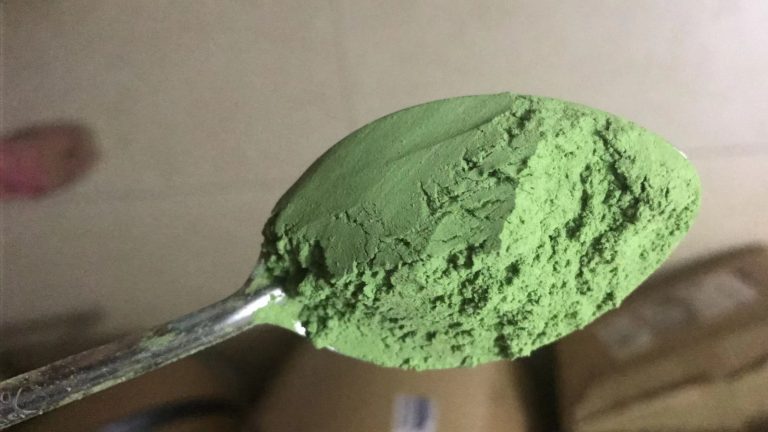
We never add artificial pigments to alter matcha color. Proper pre-harvest shading, fresh leaf preservation and standardized processing create stable, natural green tones in our finished matcha.
Global demand for matcha keeps rising. Buyers now care more about stable supply chains than ever before. Zhiqinghe is an experienced matcha manufacturer. We serve clients across many countries worldwide, and fully handle every detail of matcha export procedures.
Planting, processing, quality testing and export services all operate within our unified system. This model cuts uncertainties from middlemen, speeds up order fulfillment and keeps batch quality consistent. Our products mainly ship to North America, Europe, Southeast Asia and parts of the Middle East. We adjust certifications and packaging sizes to fit each market’s rules.
Our client list covers many business types:
Matcha has different requirements for different applications. Drink makers prioritize bright color and easy dissolving. Bakeries focus on heat resistance, steady flavor and cost efficiency. We tweak product specifications within our existing product lines to match your end use. No need to build entirely separate product systems from scratch.
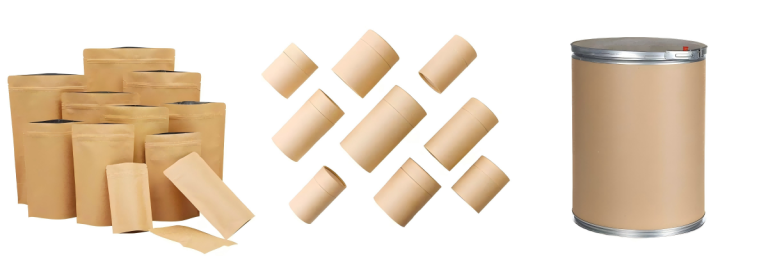
We offer a full range of packaging styles to fit different buyer needs:
All packaging runs follow a strict approval process. We confirm sample designs and final artwork before mass production, to guarantee consistency with client-approved versions.
For international buyers, good product quality is only the basic standard. Full compliance matters equally much.
Zhiqinghe holds widely recognized international certifications to clear entry for global markets:
These certifications meet standards for Europe, the US, the Middle East and Asian markets, supporting smooth customs clearance worldwide.
We arrange product lab tests per client request. Common test items include pesticide residues, heavy metals, microbial safety, moisture content and physical chemical indicators. We also accept extra testing via third-party labs.
Based on test results, we prepare full customs paperwork: batch COA lab reports, test certificates, origin certificates, organic certification, packing lists and commercial invoices. We support multiple delivery terms including DDP, to lower customs clearance risks at destination ports.
We link key production data to unique batch codes, from tea garden picking all the way to finished shipment. These records support factory audits, client site inspections and customs checks. For buyers seeking long-term reliable supply, our traceability system lowers supply risks and makes the whole chain fully transparent.
Zhiqinghe combines 133 hectares of organic tea plantations, 800 metric tons annual matcha capacity, Japanese cultivars including Yabukita and Zhongcha 108, and about 2 hours to Shanghai and Ningbo ports. As a matcha factory and manufacturer in China, we support beverage, bakery, foodservice, and private-label programs with repeatable QA onboarding and export-ready documentation.
To review quality systems, see Quality Control. To review OEM and private-label execution, see OEM & Private Label. To compare product grades, see Products. To discuss a factory visit or trial order, use Contact.
Tell Zhiqinghe your target market, application, and packaging needs. We can help you plan a
factory visit + sample qualification + export document checklist.
Define tolerances for color/mesh/sensory, keep retention samples, and require documents per lot. Ask for historical COA examples and confirm lead times for your reorder cadence.
For trial runs, Zhiqinghe supports small-quantity orders starting from 5 kg for selected SKUs, then scales up once specs and documents are aligned.
We can work with common trade terms (EXW, FOB, CIF, DAP, and where feasible DDP) depending on your market and customs setup. Lead time depends on grade allocation and packaging, so confirm it during sampling.
Yes. Visits are welcome. We are located in Yuqian Town, Lin’an District, Hangzhou, about 2 hours from Shanghai or Ningbo ports, which also helps export dispatch planning.
Ask for factory address, production photos/videos, batch coding rules, and which lab issues the COA. A reliable manufacturer can explain how they control grades, mesh, and traceability—not just quote a price.
At minimum: batch COA per lot, pesticide residue testing scope, heavy metals, microbiology, allergen statement, and a spec sheet (including mesh/particle size). If you buy organic, request the certificates and annual audit files.
Yes. Zhiqinghe can support periodic third-party testing for key safety indicators and provide reports together with batch COA for onboarding and audits.