Hangzhou Zhiqinghe Tea Tech Co.,Ltd.
Since 1992.
Hangzhou Zhiqinghe Tea Tech Co.,Ltd.
Since 1992.
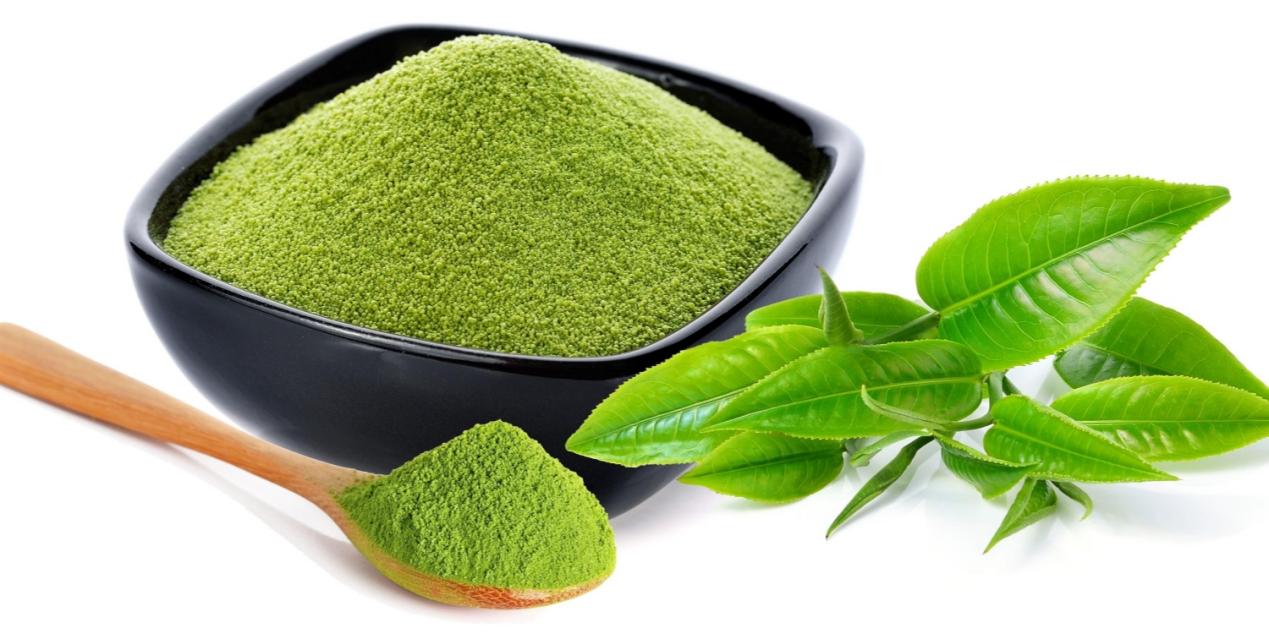
For B2B matcha buyers, product consistency depends on more than the quality of a single shipment. Buyers also need to evaluate whether a supplier can maintain a stable supply of consistent raw materials over time. From tea cultivation to the final product, the quality of matcha powder is influenced at many stages of the process. This means looking beyond the appearance and color of the powder and understanding where the raw materials come from and how the matcha is produced.
What Does Traceability Mean in the Matcha Supply Chain?
In matcha supply chains, traceability refers to the ability to connect a specific batch of powder with information from raw material sourcing, processing, quality control, and logistics.Through these records, each batch of matcha can be linked to information such as the tea garden, production batch, storage, and transportation records.
Where Does Matcha Traceability Begin?
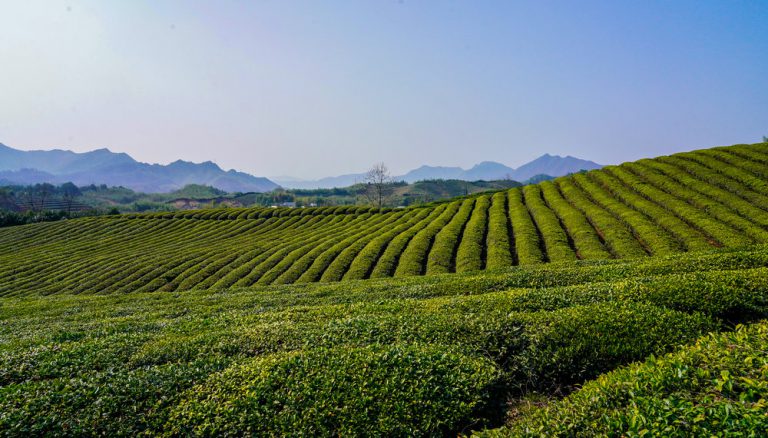
Traceability doesn’t start at the factory gate; it starts in the soil. Factors such as cultivar selection, shading conditions, and harvest timing can influence the color, aroma, and taste profile of matcha powder.Different applications also require specific matcha profiles in terms of aroma, color, and fineness.Through this information, buyers can better evaluate whether a specific batch of raw materials meets their product requirements. These records also support batch management and consistency across repeat orders.
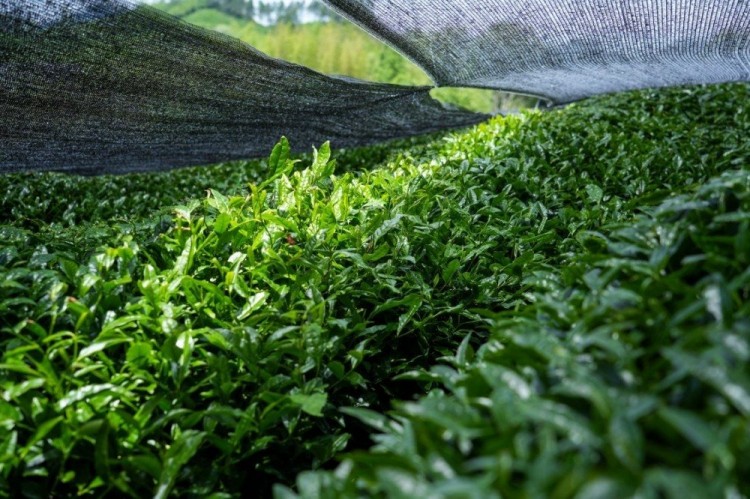
(Shade-grown tea plants)
From Raw Material to Matcha Powder: What Needs to Be Traceable?
| Supply Stage | Information That Can Be Traced |
| Tea Garden | Origin/cultivation information |
| Harvest | Harvest period/Harvest batch |
| Raw Material | Batch identification |
| Processing | Production batch/date |
| QC | Test results/specifications |
| Finished Product | Lot number/documentation |
A traceability system links QC data directly to specific production runs. Suppliers can record information from the tea garden stage, including cultivars, cultivation details, harvest periods, and raw material batches. These records can then be connected with processing dates, production batches, and QC results linked to the final product.
Why Does Traceability Matter for B2B Matcha Buyers?
In mass beverage and bakery production, unexpected batch variations can affect product consistency, production efficiency, and brand reputation. A sudden change in color or bitterness can affect the consistency of the final product. When differences in flavor or color occur, traceability can help buyers and suppliers trace the issue back to the corresponding raw materials and production records.
Therefore, when evaluating a supplier, buyers need to look beyond price and samples. Information such as raw material sources, batch details, and relevant quality records should also be considered.
Traceability Is More Than a Certificate
| Certification | Traceability |
| Demonstrates compliance with a standard | Shows supply-chain information |
| Focuses on certification requirements | Focuses on product / batch movement |
| Provides evidence of certification status | Connects raw material and finished product |
| One part of supplier qualification | One part of supply-chain management |
For B2B buyers, certification and traceability answer different questions. Certification shows whether a supplier meets specific standards, while traceability shows how a particular batch moves through the supply chain.
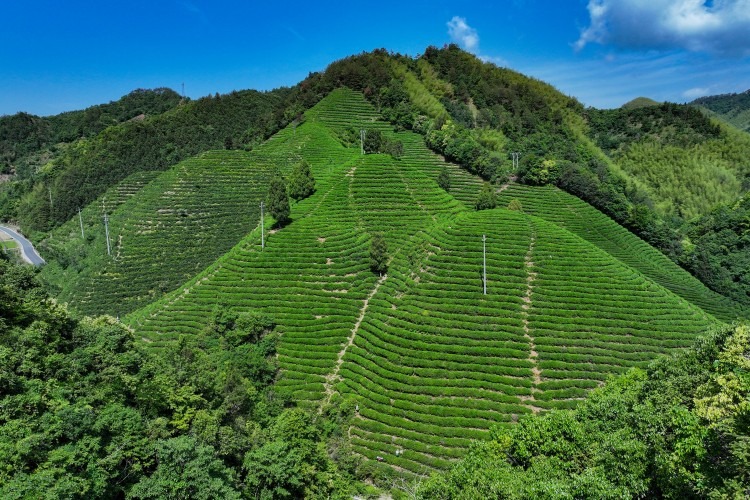
(ZhiQinghe Tea Garden)
How Zhiqinghe Builds Traceability into Matcha Supply
Zhiqinghe begins matcha supply management with raw material selection and tea garden cultivation. Zhiqinghe sources its raw materials from its own tea gardens, where several tea cultivars are grown, including Zhongcha 108, Yabukita, and Okumidori. Different applications require specific matcha characteristics, so Zhiqinghe provides formula development, blending, and processing services based on product requirements.
Based on application requirements, Zhiqinghe can select and blend suitable raw materials to achieve targeted color, flavor, and mouthfeel profiles. This helps brands develop matcha ingredients that fit their product applications. From raw material selection to subsequent blending and processing, these records also support product development, batch management, and repeat orders.
For long-term cooperation, traceability gives buyers clearer visibility into raw material sources, batch management, and production consistency. This information helps buyers evaluate whether a supplier can maintain consistent quality across future orders.