Hangzhou Zhiqinghe Tea Tech Co.,Ltd.
Since 1992.
Hangzhou Zhiqinghe Tea Tech Co.,Ltd.
Since 1992.
According to Innova, tea is the second-largest subcategory within hot beverages, with new product launches growing by 2% over the past five years. In mature tea beverage markets, black tea remains a widely used ingredient, with an established consumer base and a broad range of applications.
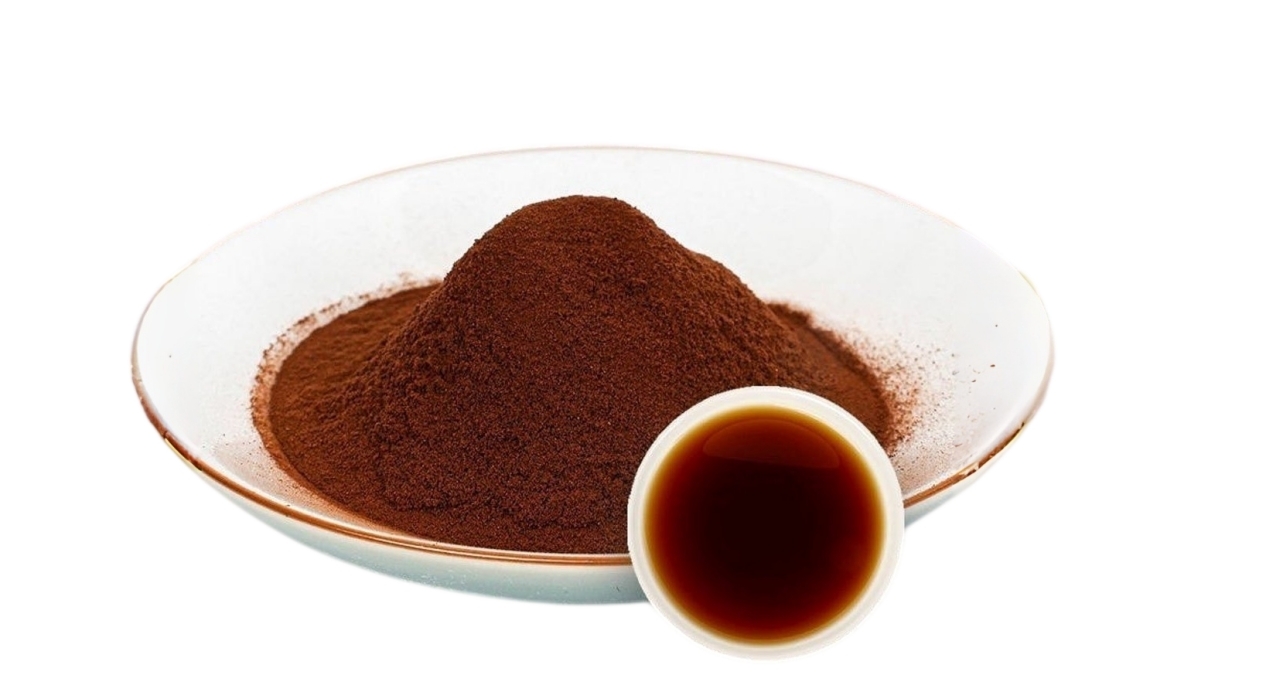
Black Tea Has a Strong Consumer Base
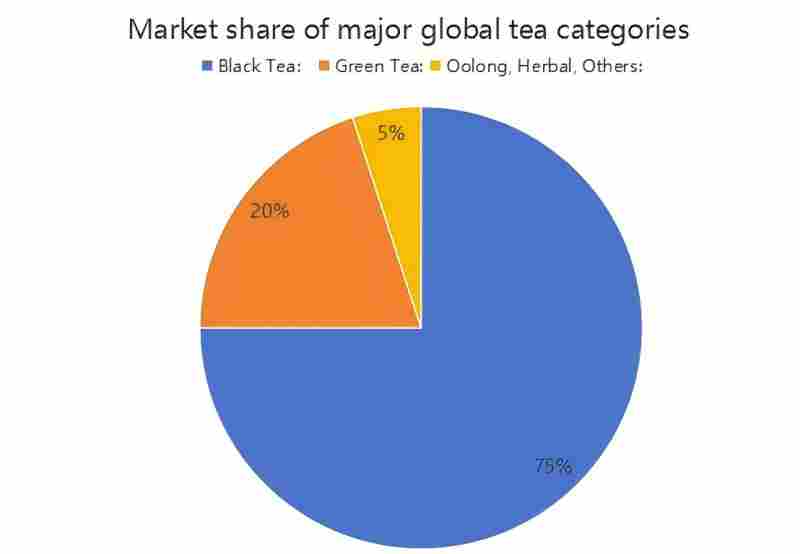
According to a market report by Fortune Business Insights, the global black tea extracts and powder market is valued at USD 9.29 billion in 2026 and is projected to grow at a CAGR of 4.70%. Black tea powder is used in a growing range of food and beverage formulations beyond traditional tea beverages.
Consumers already understand the basic flavor and positioning of black tea. Brands can therefore develop new products around a familiar tea profile without introducing the category from scratch.
Black Tea Fits a Wide Range of Beverage Formats
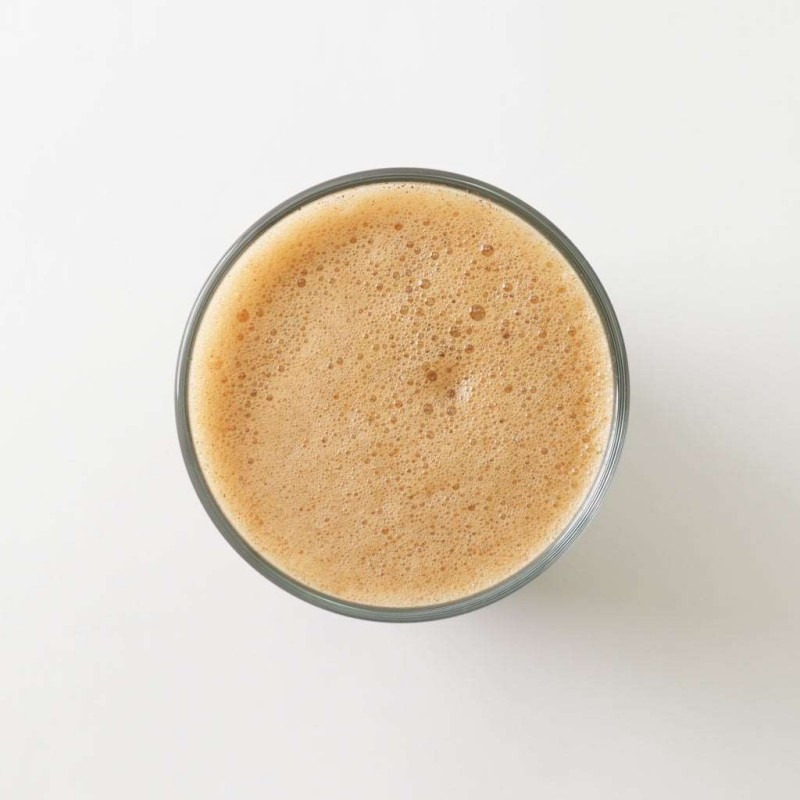
Black tea is now used in RTD tea, iced tea, flavored tea, and other beverage formats. For RTD and iced tea applications, requirements can go beyond color and flavor. Cold-water dispersion, sediment control, and final beverage clarity may also need to be considered.
Familiar Flavor Does Not Mean Limited Flavor Potential
When black tea is used as a commercial ingredient, these aroma differences become important. Assam black tea, with its malty and cocoa notes, can work well when a stronger tea character is required. Keemun black tea, with its floral and fruity notes, is better suited to lighter and more aromatic profiles. Raw material selection therefore depends not only on tea type, but also on the flavor profile required in the final product.
| Black Tea | Typical Aroma Profile | Potential Application |
| Lapsang Souchong | Pine smoke, longan, sometimes floral or fruity notes | Smoked or distinctive tea beverages |
| Keemun Black Tea | Orchid, apple, and other delicate floral-fruity notes | Premium tea beverages, milk tea |
| Dianhong | Honey, malt, sometimes light spicy notes | Milk tea,RTD tea , flavored beverages |
| Jin Jun Mei | Natural honey and floral notes | Premium tea beverages |
| Darjeeling | spring harvest:green, muscat grape notes; summer harvest: muscat grape with floral notes | Fruit tea, premium RTD tea |
| Ceylon Black Tea | Highland :mint Lily of the valley and herbal notes; lowland: caramel and malty sweetness | RTD tea milk tea , flavored tea |
| Assam Black Tea | Mate, cocoa, roasted grain sweetness | Milk tea, strong tea beverages |
| Earl Grey | Citrus,especially bergamot | Citrus tea, flavored tea |
How Black Tea Works in Different Beverage Formulations
Black tea has a clear tea character that can remain noticeable when combined with milk and other ingredients. It pairs well with fruit and dairy, while its stronger tea notes can also complement spices and botanical ingredients.
Black tea can also be adapted to different beverage formulations and processing conditions. For beverages that undergo high-temperature processing or require a longer shelf life, flavor and color stability also need to be evaluated during formulation.
Why Black Tea Powder Is Useful for Beverage Brands
Unlike traditional tea leaves, which need to be brewed or extracted before use, black tea powder can be used directly as a powdered ingredient in some beverage formulas. This simplifies ingredient handling and dosage control in standardized production. Black tea powder can be incorporated into flavored beverages, RTD drinks, milk tea, and other formulations.
The required powder specifications vary by product and processing conditions.Zhiqinghe develops black tea powder for B2B applications, with raw materials and processing methods adjusted to the target flavor, color, mouthfeel, and production requirements.
| Feature | Traditional Black Tea Leaf | Black Tea Powder |
| Ingredient handling | Brewing required | Easier ingredient handling |
| Dosage | Controlled through brewing | Easier to measure in formulations |
| Product development | More dependent on extraction | More suitable for ingredient-based development |
| Dry formulations | Less direct | More convenient |
| Application flexibility | Commonly used through brewing/extraction | Suitable for beverage and selected food formulations |
What Different Beverage Formats Need from Black Tea Powder
Not all black tea powders are suitable for every application. RTD tea may place greater emphasis on aroma, color, and flavor stability. Milk tea needs a tea profile that remains noticeable alongside milk. Fruit tea generally benefits from a clean tea character that does not overpower the fruit notes. Other beverage types may require different dispersion or formulation properties.
Clear application requirements are therefore important when specifying black tea powder. Zhiqinghe develops black tea powder according to the requirements of the final application, including raw material selection, blending, and processing.
Why Batch Consistency Matters in Black Tea Powder Sourcin
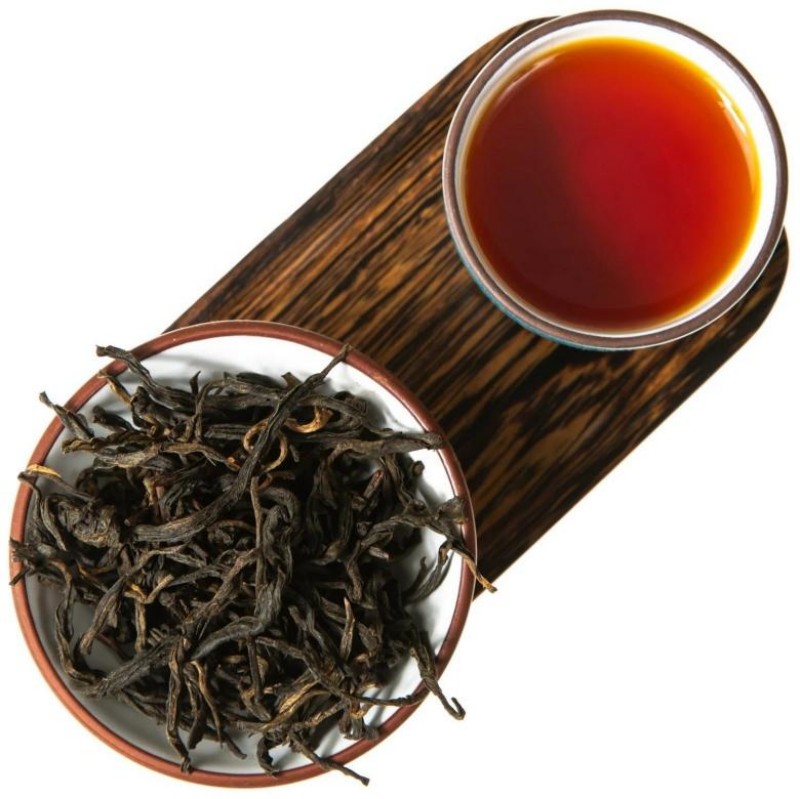
For commercial beverage production, buyers look beyond whether a single sample meets their requirements. They also need to know whether the supplier can maintain consistency from batch to batch. Changes in the color, aroma, flavor, and tea character of black tea ingredients can affect the performance of the final beverage.Final product testing alone is not enough to maintain batch consistency. Consistency also depends on raw material selection, processing conditions, storage, and quality control throughout production.
For long-term sourcing, buyers also need to understand how the supplier controls raw materials and processing from batch to batch.Zhiqinghe controls raw material selection, processing conditions, and batch management to support consistent color, aroma, and flavor across repeat production.
What Should Beverage Brands Consider When Sourcing Black Tea Powder?
| Checklist |
| 1. What is the intended application? |
| 2. What tea profile is required? |
| 3. What powder characteristics are required? |
| 4. How is batch consistency controlled? |
| 5. Can the supplier support customization? |
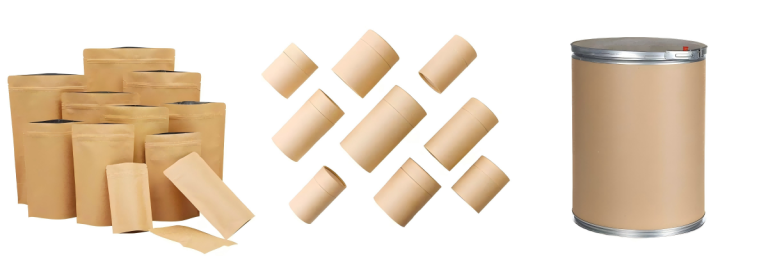
| 6. Can packaging be customized? |
| 7. Can the supplier maintain long-term supply? |
These questions give buyers a practical way to evaluate both product specifications and the supplier’ s ability to support ongoing sourcing. RTD tea, milk tea, and instant beverage products may require different tea profiles and powder characteristics.
Zhiqinghe provides black tea powder development services based on customers specific application requirements, covering raw material selection, blending, and processing.