Hangzhou Zhiqinghe Tea Tech Co.,Ltd.
Since 1992.
Hangzhou Zhiqinghe Tea Tech Co.,Ltd.
Since 1992.
To verify a reliable Chinese matcha factory, buyers should separate traders from integrated producers, screen public production evidence, run small trial orders, and cross-check legal entity names across certificates, labels, and batch documents. Zhiqinghe operates as a plantation-backed matcha manufacturer in China with in-house processing, export documentation, and OEM execution for global B2B buyers.
In 2025, China’s matcha production has exceeded 12,000 tons, accounting for nearly 70% of global supply. As Chinese matcha is increasingly used in beverages, bakery, and health food markets worldwide, more overseas buyers are turning to China’s supply chain. This includes integrated matcha producers like Zhiqinghe, which combines tea garden management, processing, and export capability.
However, suppliers come in many forms. Some are trading companies. Others run small processing plants. Their production capacity and supply stability vary wildly. Buyers need a clear set of checks to vet suppliers thoroughly. Key areas include production permits, raw tea farm sources, processing equipment, quality control, export experience, test reports and batch consistency. This helps you steer clear of fake factories and secure steady, compliant supply chains.
Three main supplier types exist in the matcha industry: traders, processing-only factories and integrated producers. The core difference lies in whether they control raw materials and full production workflows.
| Evaluation Standard | Traders | Processing Factories | Integrated Producers |
|---|---|---|---|
| Raw Material Supply | Rely fully on outside suppliers | Source raw tea from external farms | Own tea plantations or locked-in stable raw material channels |
| Production Oversight | No direct control over manufacturing | Manage partial processing steps | Oversee nearly all production stages |
| Batch Consistency | Depends fully on upstream partners | Limited by raw material quality and processing capacity | Maintain steady product quality more easily |
| Certificates & Documents | Double-check if legal entity names match across papers | Incomplete certification records in most cases | Full, organized paperwork with consistent company information |
| Customization Service | Only coordinate between parties | Offer limited processing tweaks | Ideal for long-term OEM and custom formula orders |
From a long-term cooperation perspective, integrated manufacturers are usually easier to manage in terms of consistency, customization, and compliance. But this only applies when they truly have an end-to-end production system.
If an on-site factory visit is not possible at first, official websites are your easiest starting point. Most overseas buyers review brand websites, Alibaba store pages and Google search results before sending formal inquiries. You can also ask suppliers to share live video tours of offices, warehouses, production workshops and packaging zones.
Online research serves as an initial screening tool. Focus on these key details to judge reliability:
| Inspection Point | What to Watch For | What It Reveals About the Supplier |
|---|---|---|
| Real Production Footprint | Clear photos/videos of actual workshops, machinery, warehouses and production lines | Whether the supplier owns real manufacturing facilities |
| Compliance Credentials | Publicly available valid certifications such as BRC, NOP and Kiwa | Basic ability to meet global compliance standards |
| Proven Export Business | Case photos of OEM/private label goods, bulk packaging and export shipment records | Real experience fulfilling large overseas orders |
| Information Transparency | Full factory address, team introductions, R&D and quality testing descriptions | Willingness to share core operational details, a sign of stable operations |
If a website focuses mostly on product marketing rather than production and delivery, it usually needs further verification. On the other hand, some factories have simple websites but clearly show workshop, equipment, test reports, and packaging process. These are often more reliable for the next step of communication.
When you cannot confirm a factory’s real production strength, small trial orders are the most reliable verification method. Never place large bulk orders on your first cooperation. Start with batches of 10 kg, 20 kg or 50 kg. You can also test small private label packaging runs. This stage focuses on more than just sample quality. You observe the full order process to check stability and standardization.
Watch these details during trial orders:
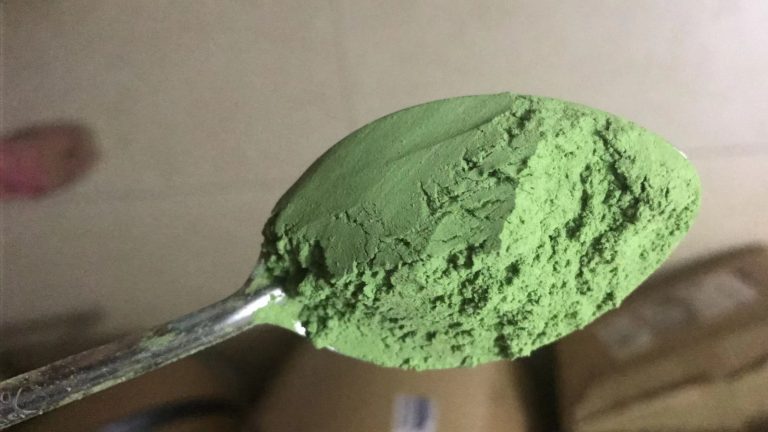
Besides process consistency, test product stability. A common matcha pain point: samples look and taste great, but mass production has uneven color, inconsistent powder fineness or poor mixing performance. Run simple side-by-side tests with trial goods. Check brew color, sediment levels and baking performance. Keep trial samples for future batch comparisons.
One small trial order cannot fully prove a factory’s overall strength. But it quickly shows how attentive the supplier is to details, how standardized their paperwork is, and whether bulk goods align with sample standards.
For stable long-term partnerships, schedule an in-person tour of the tea farms and production plant. This gives you a full, honest view of your product’s whole supply chain.
An on-site visit lets you assess all these critical areas:
Matcha has strict storage and processing requirements. Light, temperature, humidity and oxygen all ruin its natural color and aroma. So warehouse and packaging facilities deserve equal attention during inspections.
A factory tour is not just about checking cleanliness. Most importantly, confirm the facility you tour belongs to the supplier’s registered legal entity. Watch out for fake source factory tricks. Some trading companies hang temporary brand signs at partner factories. They lead clients on tours and falsely claim the plant belongs to their own brand. To expose this scam, cross-check business license addresses, factory gate numbers, equipment nameplates, staff records, production logs, packaging files and certification entity names. These records prove the true ownership link.
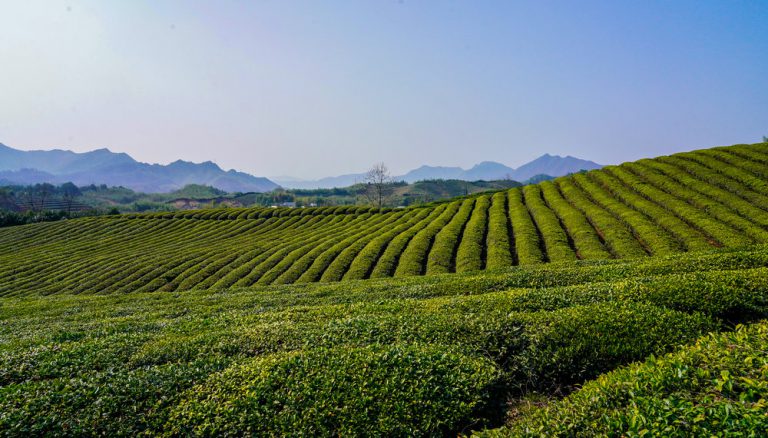
Zhiqinghe is an integrated matcha manufacturer and factory in China with 133 hectares of organic tea plantations, 800 metric tons annual capacity, and about 2 hours to Shanghai and Ningbo ports. We support on-site factory tours, video audits, trial orders from 5 kg for selected OEM projects, and batch-linked export documentation for global B2B buyers.
To review quality systems, see Quality Control. To review OEM and private-label execution, see OEM & Private Label. To compare product grades, see Products. To discuss factory verification or a trial order, use Contact.
Tell Zhiqinghe your target market, trial volume, and document expectations. We can help you run a
factory verification path + sample plan + export document checklist.
For large orders or long-term cooperation, on-site inspection or at least a video factory audit is recommended. On-site visits can assess the factory’s hygiene, equipment and quality control procedures. Zhiqinghe supports on-site tours and provides high-definition videos of its tea gardens and factory.
Check if they own tea gardens, have complete production lines and can provide real-time production records. A real source supplier covers the whole chain from planting to refining. For example, Zhiqinghe has organic tea gardens, primary and refined processing and R&D capabilities. Certifications including NOP and BRC cover the full chain, and sterilization logs and chlorophyll test data are available.
Check if the official website shows real workshop scenes, certificates and OEM cases, instead of only product renderings. Zhiqinghe’s website displays production lines, international qualifications and private-label packaging examples, which directly prove our production capacity.
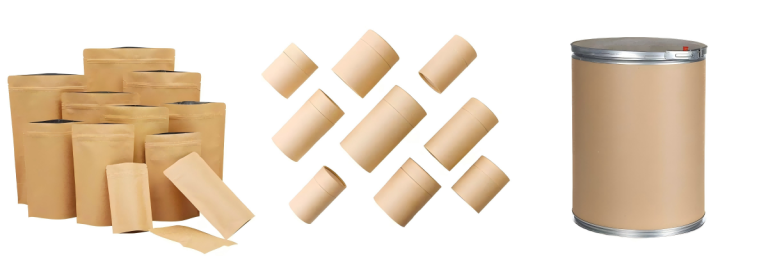
Compare the color, fineness and sediment performance between samples and bulk products. Also check the consistency of COA, packing list and label information. Zhiqinghe OEM has a minimum order of 5 kg. Trial orders include complete export documents and customized packaging for direct evaluation of delivery stability.
Make sure the certificate covers both planting and processing, and the issuing body is internationally credible. Zhiqinghe’s NOP, BRC and other certifications cover the whole process of tea gardens and production, supported by third-party test reports from Eurofins, Kiwa, etc., with consistent entity information.
Look for integrated factories offering 5 kg minimum OEM service. Zhiqinghe accepts PDF or PSD label designs from customers and completes printing and packaging, suitable for small-scale market testing to avoid inventory risks.