Matcha ≠ Green Tea Powder: That Matcha Cake Might Not Be Real

Matcha-flavored cakes, ice cream, candies, and drinks are popular for their attractive color and fresh taste. Food lovers always pick matcha treats from many choices. However, many matcha foods on the market only contain green tea powder. To keep good taste and color, adding flavorings and pigments is common in the industry. Many products sold as “matcha” are just ordinary green tea powder. These two green powders look similar, but they are very different in nutrition, taste, and price.
To avoid fake matcha, B-end buyers should choose matcha suppliers with their own tea gardens and processing factories, such as Zhiqinghe. We stress “source” and “factory” because the real difference between matcha and green tea powder lies in the invisible planting and production steps. Only by understanding the premium logic behind matcha can you see why low-cost matcha is often a trap.

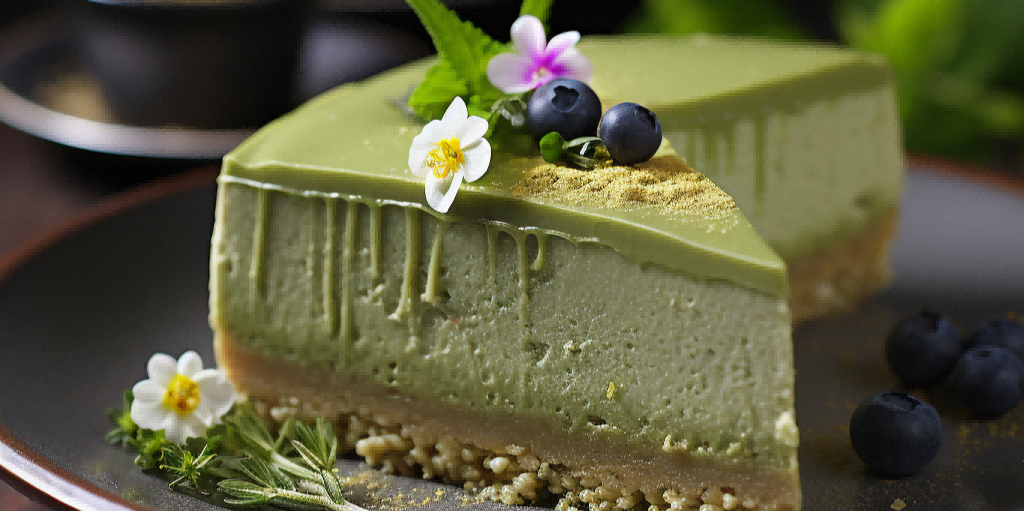
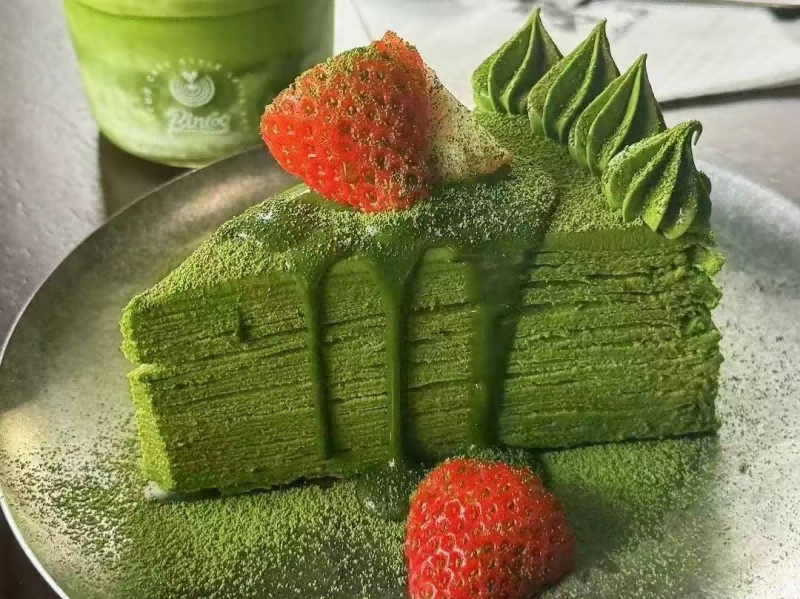
Matcha Cake
Matcha Cake

1. Why Is Matcha More Expensive Than Green Tea Powder?

Strictly speaking, matcha comes from green tea, but its soul lies in shade-growing and stone grinding. To bring out the best flavor and color, matcha plants must be shaded for at least 20 days before picking. This step gives matcha much higher theanine content than regular green tea. So not all green tea powder can be called matcha. What are the key differences?

Core Differences Between Matcha Powder and Green Tea Powder:

  • Raw material & process: Matcha uses tender leaves, with veins and stems removed, finely ground by stone mill. Green tea powder uses older leaves, dried and crushed directly with stems and leaves.
  • Taste & texture: Matcha is fine, rich, with an earthy note. Green tea powder is rough and bitter.
  • Main costs: Matcha needs shade-growing, hand-picking, stone grinding, and strict tests. Green tea powder uses regular planting, machine picking, fast grinding, and basic tests.
  • Daily output: A single stone mill produces only dozens of kilograms of matcha per day. Green tea powder production can reach tons per day.
  • Total cost: Matcha costs 5–10 times more than regular green tea (including shade facilities, hand labor, and low stone-mill yield). Green tea powder costs about the same as regular dried tea (regular planting + small machine grinding cost).

Japanese matcha raw material is exported at about $35–46 per kg. It’s $41.56 per kg to the US and $45.92 per kg to the EU. In comparison, some organic matcha from China has similar quality to Japanese top-grade matcha and better bulk price advantages.Hangzhou, Zhejiang is a core tea-producing area in China. Zhiqinghe relies on the industry conditions in Lin’an, Hangzhou. It has long served overseas customers and built a stable matcha supply system.

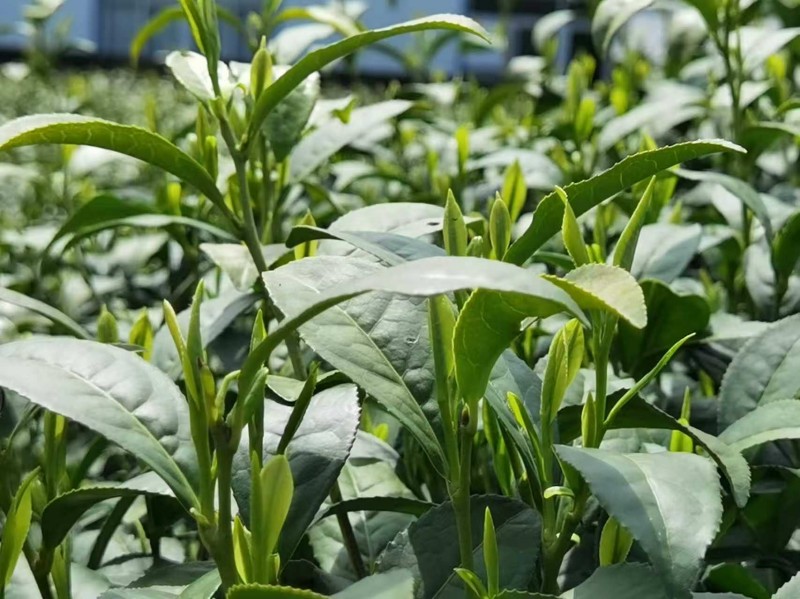
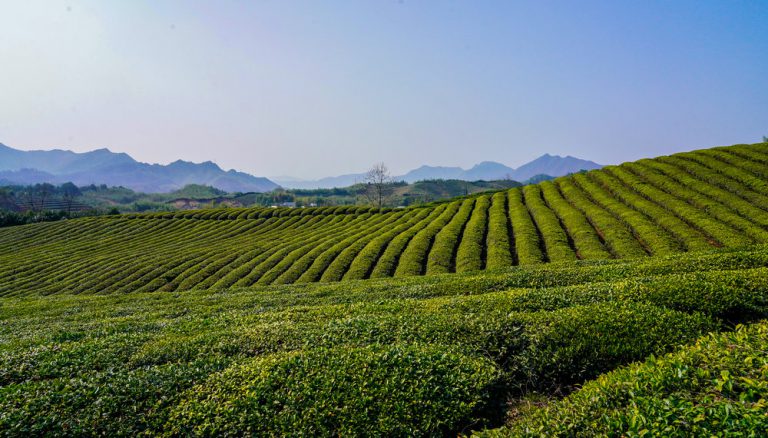
Close-up shot of Zhiqinghe spring tea

2. Different Uses, But Don’t Mix Them Up

Green tea powder is not low-quality. It gives light tea aroma in baking and flavoring, and it’s cheap. But some brands sell green tea powder as matcha to follow the matcha trend.

These fake matcha problems mainly include:

  • Mixing & filling: Some sellers mix cheap green tea powder, starch, or color into matcha. It looks bright green but has no real matcha fragrance.
  • False labeling: Some “ceremonial-grade matcha” labels are random. There are no clear industry rules. “Ceremonial-grade” can be printed on any package.
  • Fake origin claims: Some sellers lie about their matcha coming from famous areas like Uji or Nishio.

These acts disappoint consumers and harm the reputation of real matcha. Such problems still exist in recent years.In the US, famous brand MatchaBar was accused of falsely labeling its products as expensive ceremonial-grade matcha, while the quality was far below standard. E-commerce platforms are full of green tea powder faking high-end Japanese brands like Marukyu Koyamaen.

In Europe, due to matcha shortages, sellers in Germany and other places stick labels like “Uji” (a famous Japanese area) on green tea powder to cheat buyers. A market study in Australia found nearly 70% of products labeled “matcha” are actually green tea powder. These cases show global chaos: brand infringement, fake origins, and low-quality substitutes.

3. How B2B Buyers Tell Real Matcha Powder

Buying teams should focus on these verifiable signs:

  • Check price & grade: Real matcha is not cheap. Ceremonial-grade matcha is usually $20–90 per kg. Be careful with matcha powder much cheaper than this.
  • Check ingredients & standards: Watch out for products only labeled “green tea powder” or with “matcha” at the end of the ingredient list. Real matcha has only one ingredient: fresh tea leaves or steamed green tea tencha. If ingredients list “green tea powder”, “tea leaf powder”, or added colors and flavors, it is not matcha. The product standard number on the package should match GB/T 34778-2017.
  • Check traceable raw material info: See if the product notes “shade-grown”, “stone-ground”, and origin (like Uji or Nishio). Ask the supplier for details on shading, picking time, stem removal, and stone grinding. Some Chinese matcha suppliers (like Zhiqinghe) provide full batch test reports from tea garden to finished product. This is a must for European and North American buyers in multi-year contracts.
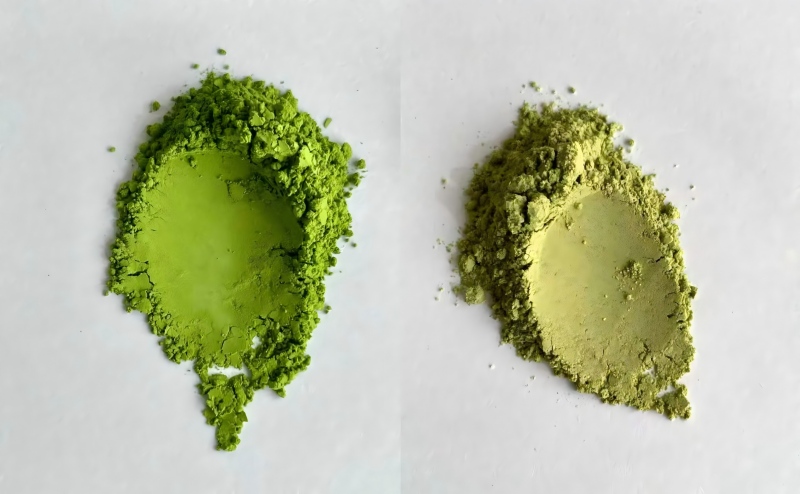
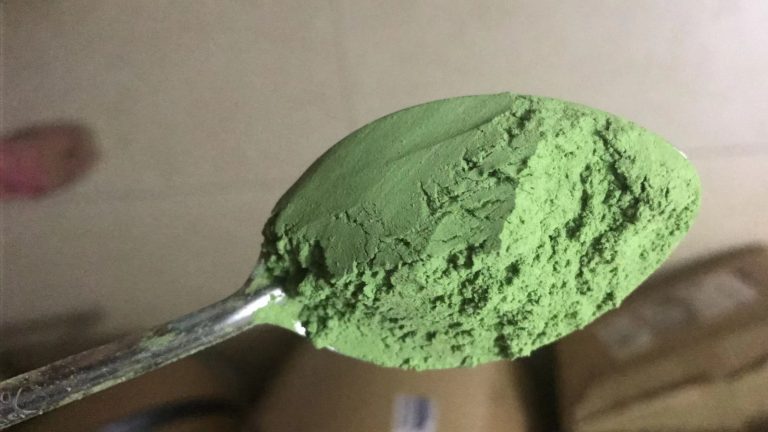
  • Do sample tests: High-quality matcha is bright blue-green and feels silky. Green tea powder is dark, yellowish, and rough. Simple home tests: paper color check and foam test. Good matcha makes fine, long-lasting foam. It suspends longer, sinks slowly, and has smooth foam. Green tea powder layers fast or piles at the bottom.
Appearance comparison between matcha powder and green tea powder

4. Choose Matcha or Green Tea Powder Based on Your Needs

Not all products need top-grade matcha.

  • High-end tea drinks & pure tea: Choose ceremonial/extra-grade matcha with high amino acids. Its natural sweetness reduces the need for sugar. For lower requirements, cooking-grade matcha works well for drinking and cooking.
  • Green tea powder: Use it for baking, smoothies, or lattes. Choose it if you have a tight budget but want green tea benefits. It’s also good for beginners to try.
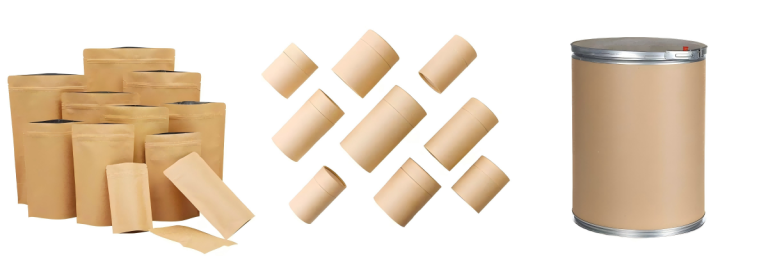
  • Custom needs: Large chains and overseas buyers can pick different grades of matcha or green tea powder based on brand position and market preference, then adjust recipes. Zhiqinghe offers customizable raw material formulas and packaging. It supports many matcha grades and flavor mixes to help customers make unique products.