Hangzhou Zhiqinghe Tea Tech Co.,Ltd.
Since 1992.
Hangzhou Zhiqinghe Tea Tech Co.,Ltd.
Since 1992.
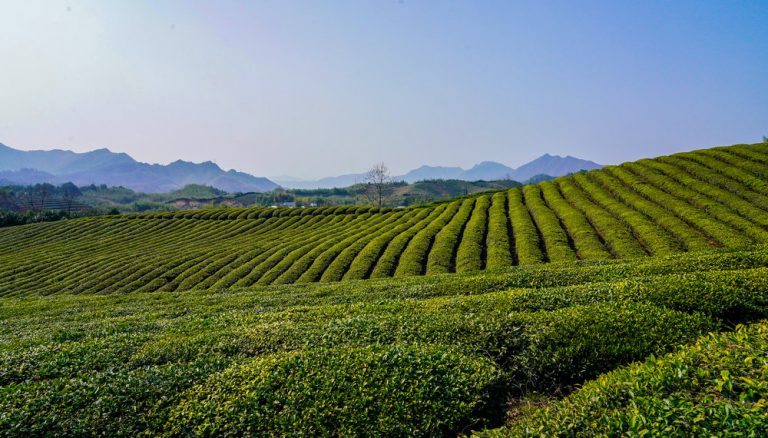
Zhiqinghe, an organic matcha factory in Hangzhou, China, carries out winter maintenance across its organic tea plantations. Key activities include soil nutrition management, plantation cleaning, pruning, water management, frost protection, and pest monitoring. These measures help protect tea plants during winter and prepare them for the next growing season.
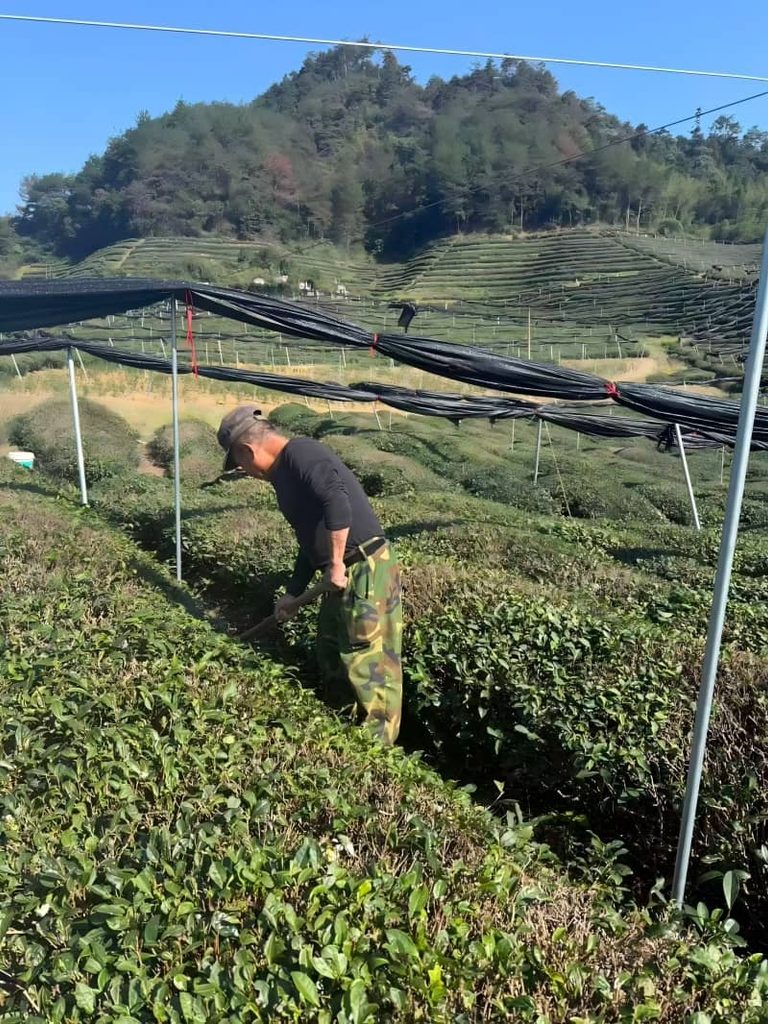
Before winter closure, tea plantations require a series of maintenance activities to protect plant health and support future growth. The following tasks form the main winter management routine.
1.Reasonable fertilization — Apply an appropriate amount of organic fertilizer before winter closure to support soil nutrition and plant growth. The recommended fertilization depth is around 20–30 cm, followed by timely soil covering.
2.Weed clearing and plantation cleaning — Remove weeds, dead branches, and fallen leaves before winter closure. Keeping the plantation clean helps reduce potential pest and disease sources during the dormant period.
3.Pruning and shaping — Adjust pruning intensity according to plant growth and condition. Light pruning and deeper pruning can be used where appropriate, with cut branches collected and handled promptly.
4.Irrigation and drainage — Maintain suitable soil moisture through the winter. Provide irrigation when soil conditions become too dry and ensure excess water can drain promptly after heavy rainfall.
5.Frost protection — Prepare suitable protective measures against low temperatures. Materials such as rice straw and plastic film can be used where appropriate to reduce the risk of frost damage.
6.Pest and disease monitoring — Inspect tea plants regularly throughout winter and take timely action when signs of pests or diseases appear.
| Maintenance area | Key requirements | What to check |
| Fertilization | Apply suitable organic fertilizer before winter closure and cover the soil afterward. | Is the fertilizer applied at the appropriate depth? Was the soil covered promptly? |
| Plantation cleaning | Remove weeds, dead branches, and fallen leaves. | Have loose plant materials and potential pest sources been cleared? |
| Pruning | Adjust pruning intensity according to plant growth and collect cut branches. | Are pruning methods appropriate for the condition of the tea plants? |
| Irrigation and drainage | Maintain suitable soil moisture and remove excess standing water. | Is the soil sufficiently moist without prolonged waterlogging? |
| Frost protection | Prepare suitable covering materials, such as rice straw or plastic film. | Are protective materials available for periods of low temperature? |
| Pest and disease control | Inspect regularly and take appropriate measures when necessary. | Are tea plants regularly inspected for signs of pests and diseases? |
Video: Weed Removal Between Tea Plantation Rows
For B2B buyers, winter plantation management is an important part of upstream raw material sourcing. Fertilization, pruning, water management, and pest control influence tea plant conditions before the next growing season. These activities also contribute to the agricultural records buyers may review when evaluating a matcha supplier.
Zhiqinghe operates as a matcha supplier, matcha manufacturer, and matcha factory in China, integrating organic tea plantations with in-house processing. This plantation-backed model connects agricultural management with subsequent Tencha processing, matcha grinding, and batch documentation.
When evaluating a matcha manufacturer in China, buyers can request relevant plantation management and quality documentation, including:
•Winter plantation operation records: Records of winter fertilization, pruning, and plant protection activities, available for buyer review upon request.
•Batch COA: A Certificate of Analysis showing the agreed quality and testing information for the relevant batch.
•Third-party test reports: Testing information covering pesticide residues, heavy metals, and microbiology, with the testing scope confirmed at the order stage.
•Retention sample records: Records supporting later batch comparisons and quality reviews.
•Batch files and label version archives: Supporting documents for product traceability and private-label packaging version control.
These documents help buyers review whether plantation management, product testing, and export documentation are aligned with their sourcing requirements.
Zhiqinghe combines 133 hectares of organic tea plantations, 800 metric tons annual matcha capacity, Japanese cultivars including Yabukita and Chong-cha 108, and about 2 hours to Shanghai and Ningbo ports. As a matcha factory and manufacturer in China, we support beverage, bakery, foodservice, and private-label programs with repeatable QA onboarding and export-ready documentation.
Upstream control: plantation-backed raw material supply supports batch stability
In-house processing: tencha processing through grinding and QC under one operating system
Compliance support: USDA / EU Organic, BRCGS, HALAL, KOSHER, and third-party testing coordination
Export practicality: document packages, packaging execution, and trial orders from 5 kg for selected OEM projects
Are you looking for an organic matcha supplier in China with its own tea plantations and processing capabilities?
Share your target market, application, and packaging requirements. We can help you plan a factory visit or video audit, arrange sample qualification, and prepare an export document checklist based on your sourcing needs.
You can review our organic matcha products to shortlist grades and applications, and review our OEM / private label options for trial orders and private-label packaging. Then contact Zhiqinghe with your target market and application details.
Button: Request Samples / Documents
Trust line: We will reply after we review your requirements.
1. Why is winter maintenance important for matcha tea plantations?
Winter maintenance helps protect tea plants during their dormant period and prepares them for the next growing season. Key tasks include fertilization, plantation cleaning, pruning, water management, frost protection, and pest monitoring.
2. How deep should organic fertilizer be applied before winter closure?
The recommended fertilization depth is around 20–30 cm. After applying the fertilizer, the soil should be covered promptly.
3. Should tea plants be pruned during winter?
Yes. Winter is a suitable time for pruning and shaping tea plants. The pruning intensity should depend on the growth and condition of the plants. Light pruning and deeper pruning may be combined where appropriate.
4.What materials can help protect tea plants from frost?
Rice straw and plastic film are examples of covering materials that can be used to help protect tea plants from low winter temperatures.