Hangzhou Zhiqinghe Tea Tech Co.,Ltd.
Since 1992.
Hangzhou Zhiqinghe Tea Tech Co.,Ltd.
Since 1992.
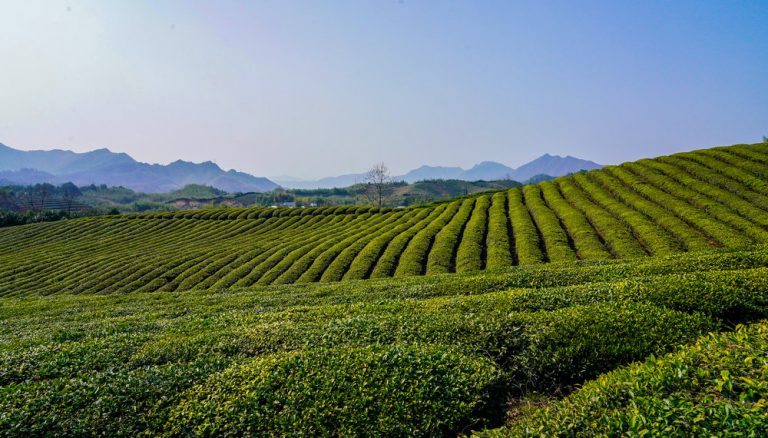
Zhiqinghe is an organic matcha factory in Hangzhou, China, with 133 hectares of tea plantations and 800 metric tons annual capacity.
An international buyer Martha recently visited Zhiqinghe’s organic matcha factory in Hangzhou, China, to see how sampling, grading, and export documentation are handled on-site. Her visit reflects the kind of hands-on support buyers can expect throughout the sourcing process—from coordinating samples and guiding documentation to following up on project details.
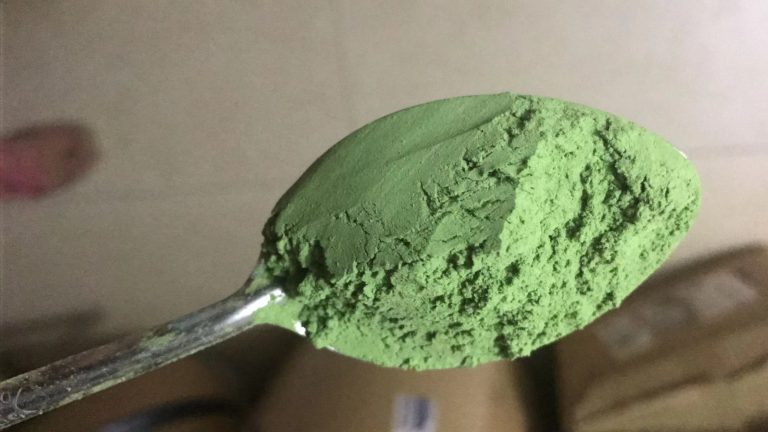
During the visit, the buyer reviewed how matcha samples can be assessed for different commercial uses. Color, taste, grade, and grinding fineness can affect performance in beverages, bakery items, and other food applications. Identifying the intended use helps buyers narrow down suitable options.
Before moving from samples to bulk production, buyers should agree on product specifications and confirm how batches will be identified. This makes it easier to compare the approved sample with later production.
A factory visit can help buyers understand the production setup, but supplier qualification should also be supported by clear records. Use the following checklist to guide the discussion:
| Check | What to confirm | Buyer action |
| Supplier identity | Factory address, production evidence, and batch coding process | Request a video audit or on-site visit if needed. |
| Certification scope | Which certificates apply to the product and target market | Confirm scope and validity for the specific order. |
| Quality evidence | Batch COA and agreed third-party testing, where required | Agree on test items before ordering. |
| Product suitability | Grade, color, taste, and grinding fineness for the intended use | Evaluate samples against written specifications. |
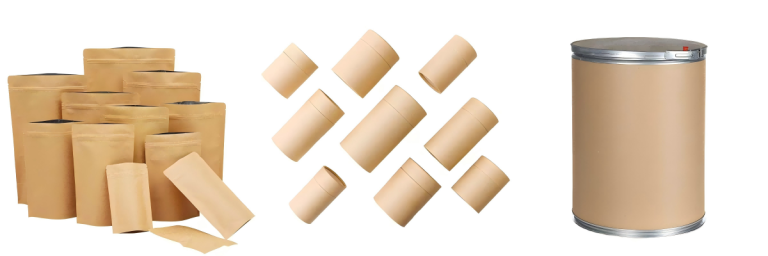
| Private-label packaging | Artwork feasibility, approved version, and packaging format | Provide final artwork and approve samples before production. |
•Compare samples by color, taste, grade, and suitability for the intended application.
•Confirm product specifications and the relevant quality records before ordering.
•Beyond sample evaluation, Zhiqinghe offers in-house processing and project-based export and private-label support.
Zhiqinghe combines 133 hectares of organic tea plantations, 800 metric tons annual matcha capacity, Japanese cultivars including Yabukita and Chong-cha 108, and about 2 hours to Shanghai and Ningbo ports. As a matcha factory and manufacturer in China, we support beverage, bakery, foodservice, and private-label programs with repeatable QA onboarding and export-ready documentation.
Upstream control: plantation-backed raw material supply supports batch stability
In-house processing: tencha processing through grinding and QC under one operating system
Compliance support: USDA / EU Organic, BRCGS, HALAL, KOSHER, and third-party testing coordination
Export practicality: document packages, packaging execution, and trial orders from 5 kg for selected OEM projects
If you are sourcing an organic matcha manufacturer in China or exploring private-label matcha, share your target market, application, and packaging requirements with Zhiqinghe to discuss project suitability.
•To Packaging execution, application-based formula adjustment, low-MOQ trial orders, and export-ready documentation for B2B buyers, see our OEM & Private Label page.
•To check product grades and packaging options, see Products.
•To start a factory visit, video audit, or sample qualification, contact us.
Button: Request samples / documents
Trust line: We will reply after we review your requirements.
1.Where is Zhiqinghe located?
Zhiqinghe is located in Yuqian Town, Lin’an District, Hangzhou, Zhejiang, China, about two hours from Shanghai or Ningbo ports. Factory visits are welcome, with peak seasons around May and October.
2.What products does Zhiqinghe supply?
Its product lines include matcha, tencha, and hojicha for applications such as beverages, bakery, foodservice, and private-label projects.
3.Does Zhiqinghe support OEM and private-label projects?
Yes. Production and agreed packaging execution can be arranged according to confirmed specifications. Buyers are responsible for confirming label claims and local regulatory wording.
4.How can buyers assess whether samples will match bulk production?
Buyers should agree on product specifications before ordering and compare samples with the confirmed specifications. Batch identification, agreed quality records, and retention samples where applicable can support later checks.