Hangzhou Zhiqinghe Tea Tech Co.,Ltd.
Since 1992.
Hangzhou Zhiqinghe Tea Tech Co.,Ltd.
Since 1992.
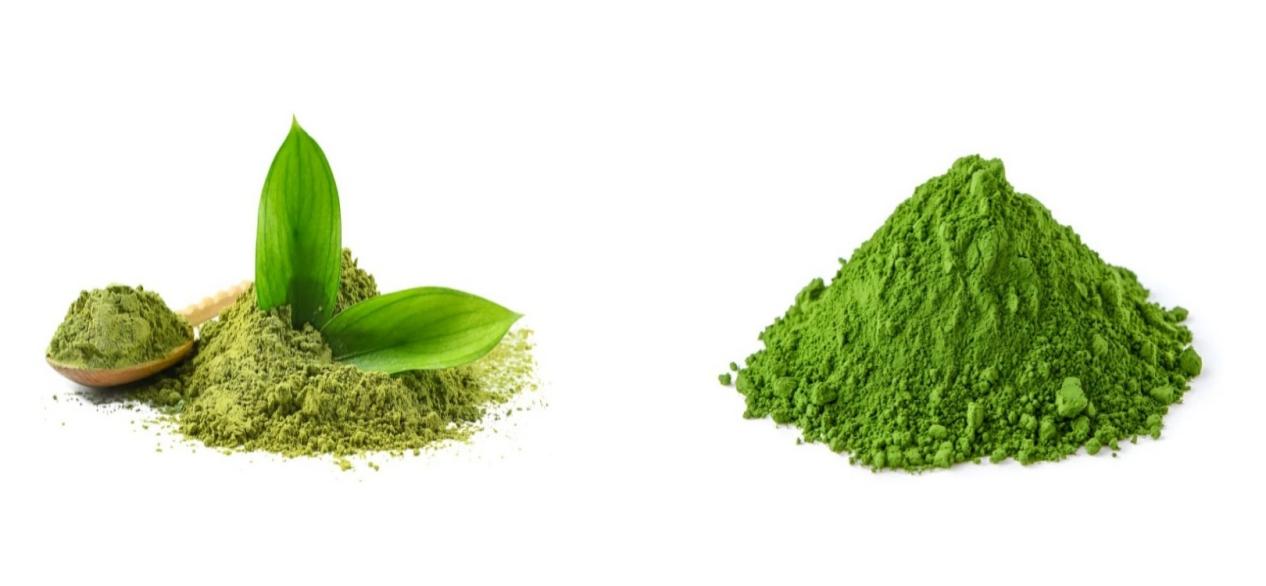
Matcha and green tea are both widely used tea ingredients in food and beverage products. Although they come from the same tea plant, differences in cultivation and processing give them distinct characteristics in color, flavor, form, and application. For food and beverage brands, the right choice depends on the product positioning, desired color, and final application.
Green Tea vs. Matcha: What Is the Difference?
| Comparison | Green Tea | Matcha |
| Raw Material | Green tea leaves | Shade-grown and specially processed tea leaves |
| Form | Leaves 、 powder 、 extract | Fine powder |
| Color | Natural green | More vivid green |
| Flavor | Lighter, fresh, and refreshing | Richer and more concentrated |
| Application | Tea drinks, extracts, RTD | Latte, bakery, desserts, beverages |
| Product positioning | Traditional、 refreshing | Premium 、modern |
| Development | Tea beverages, RTD drinks, and tea extracts | Lattes, bakery products, desserts, and beverages |
These differences also affect the color, flavor, and performance of the final products. Matcha is typically shade-grown and undergoes specialized processing to produce a fine, delicate powder.
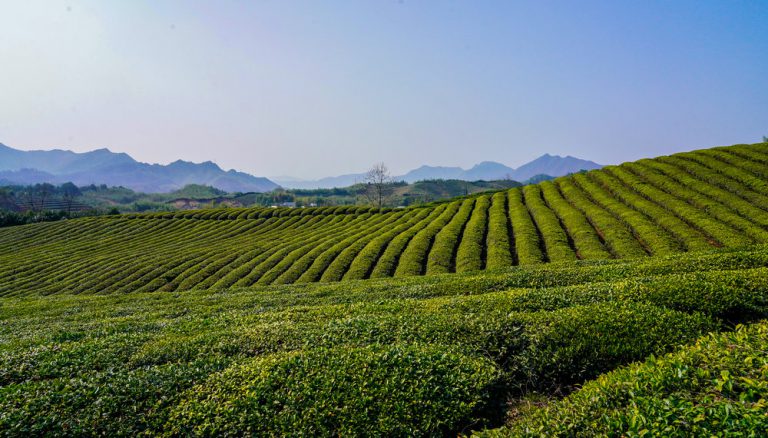
Green tea, by comparison, is generally grown without shading and can be used in various forms, including powder, whole leaves, and extracts. Green tea typically has a fresher, more natural green color, while matcha powder is usually a richer and more vibrant green.
Green Tea: When Is It the Better Choice?
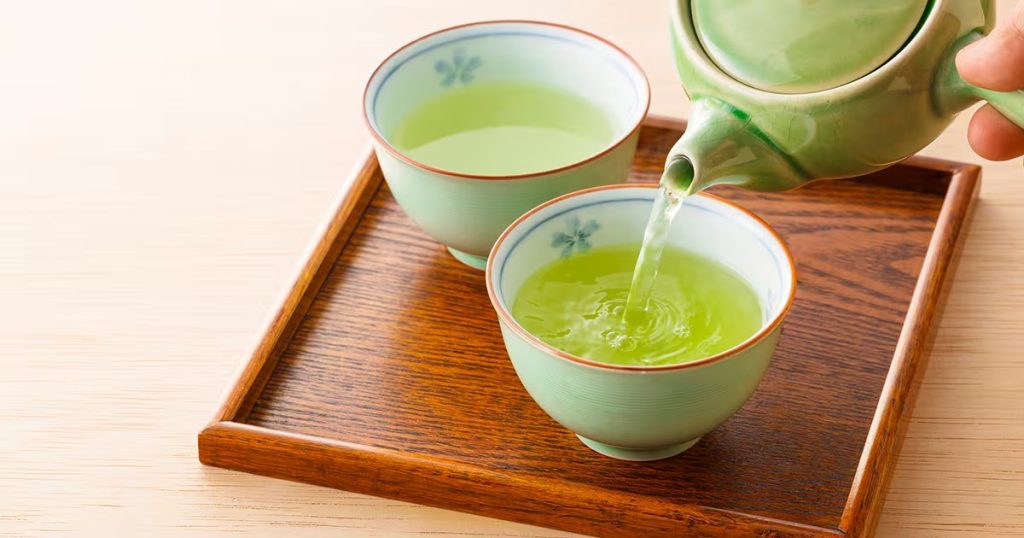
For ready-to-drink teas, traditional tea beverages, and other tea-focused products, green tea is often a suitable choice when a lighter, fresher tea profile is desired. Brands can also adjust the final tea intensity by controlling the proportion of green tea, helping to achieve a balanced flavor when paired with fruits or dairy ingredients. This makes high-quality green tea extract a staple for modern RTD beverage formulation.
Matcha: When Is It the Better Choice?
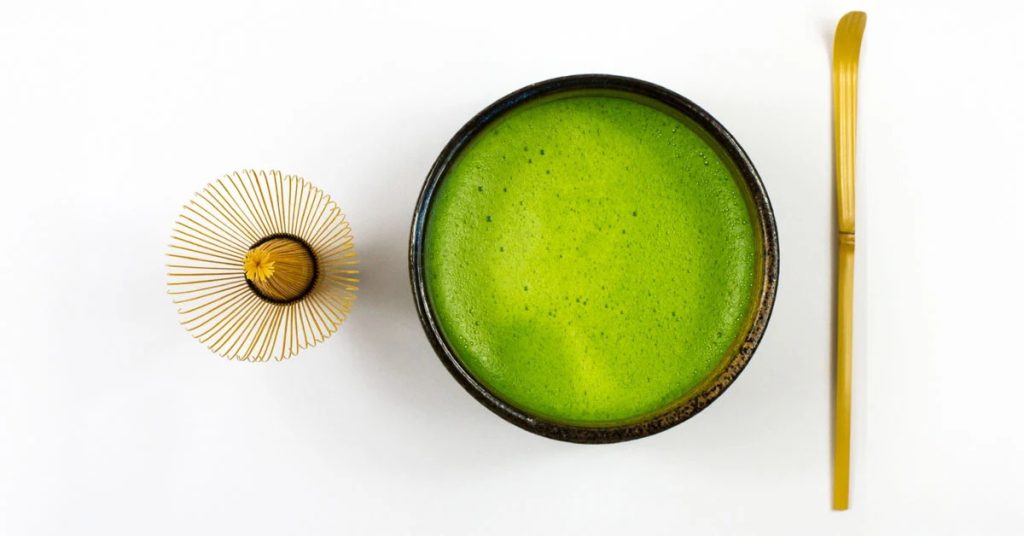
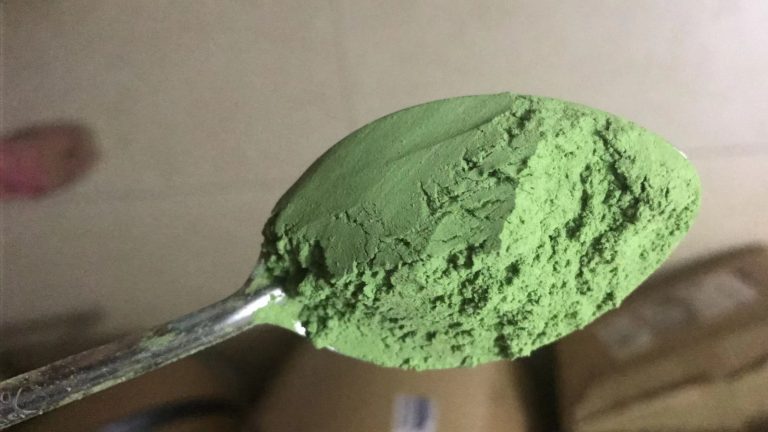
Matcha is better suited to products that need a stronger tea profile, as it provides a more pronounced tea flavor and color. Since it is processed into a fine powder, it can be used directly in beverages, baked goods, and desserts, or blended with other powdered ingredients. In smoothies and lattes, matcha’s rich, vibrant green color can become part of the product’s visual identity.When sourcing culinary-grade matcha powder for baking or ice cream production, balancing color stability and flavor profile is key.
How to Choose Between Green Tea and Matcha for Your Product?
The right choice becomes clearer when you look at the finished product. A refreshing ready-to-drink tea and a matcha latte requiring a rich green color have different ingredient requirements, with matcha generally being the better choice when strong green color is important.
If the formula also contains fruit, dairy, or other strong flavors, tea intensity needs to be balanced with the overall profile. Green tea offers a milder tea character, while matcha is better suited to formulas requiring a more pronounced tea flavor.
Processing performance is another factor to check.Conditions such as heating, mixing, baking, and storage can all affect the color and flavor of tea powder. For products that undergo heat processing, brands should conduct application testing under actual processing conditions rather than relying solely on the ingredient’s performance when brewed.
| Product Type | Commonly Suitable Ingredient |
| RTD tea | Green Tea |
| Traditional tea beverages | Green Tea |
| Matcha latte | Matcha |
| Bakery | Matcha |
| Ice cream & desserts | Matcha |
| Tea-based products with a lighter tea profile | Green Tea |
| Products requiring vivid green color | Matcha |
How Zhiqinghe Supports Green Tea and Matcha Product Development?
Color and flavor can vary between batches of the same tea ingredient, which may lead to differences in the finished product. For products moving into regular production, batch consistency and supply capacity become practical considerations for every food manufacturer.
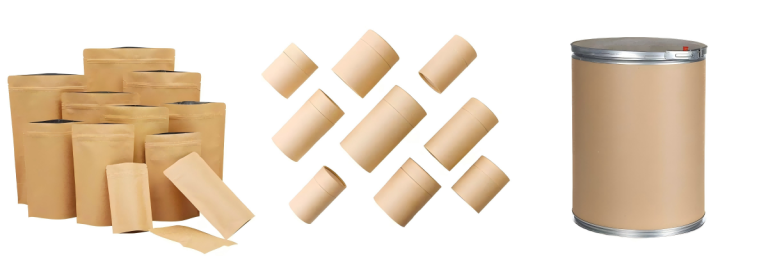
At Zhiqinghe, we select tea ingredients based on how they will be used in the finished product, as well as the desired flavor profile. As your trusted tea ingredient supplier, our matcha powder wholesale and customization project services include formula development, blending and processing, and packaging customization. Standardized production processes help maintain consistency as a project moves from sampling to mass production. Contact Zhiqinghe today for tailored bulk tea solutions.