Hangzhou Zhiqinghe Tea Tech Co.,Ltd.
Since 1992.
Hangzhou Zhiqinghe Tea Tech Co.,Ltd.
Since 1992.
As more brands develop matcha-based products, maintaining consistent quality at scale has become a key challenge. Differences between batches can affect color, flavor, and overall product performance.
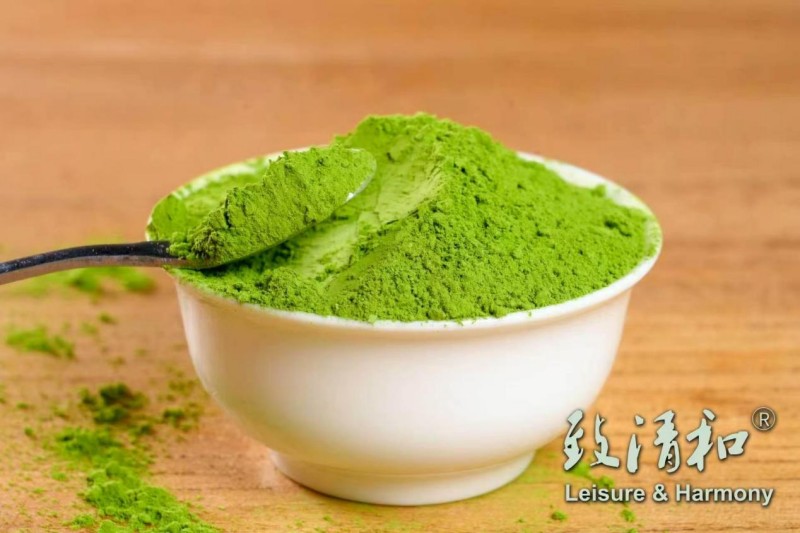
(A bowl of matcha powder)
What to Consider When Selecting Matcha for Commercial Product Development
In commercial production,Brands should evaluate factors such as color stability, flavor retention, solubility,and batch-to-batch consistency.These factors directly affect for production stability.
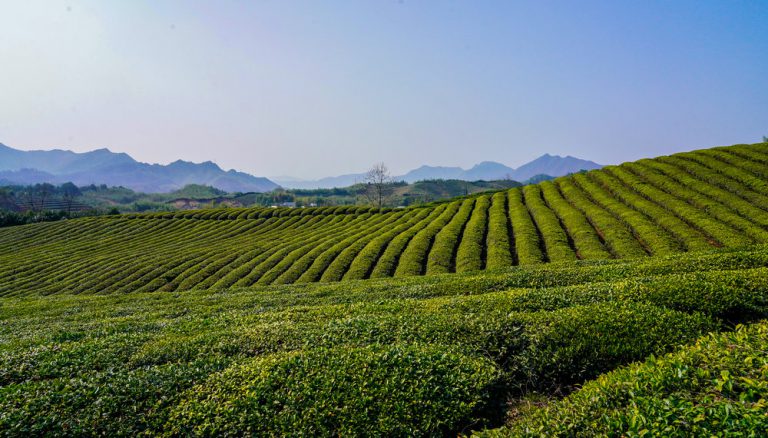
Matcha quality begins with tea variety selection and cultivation methods.These factors influence color, flavor intensity, and consistency in the final ingredient.The matcha used by Zhiqinghe is sourced from the Zhiqinghe Ecological Tea Gardens in Hangzhou. During cultivation, shading techniques are used to increase chlorophyll and amino acid levels.This contributes to a vivid green color and a richer umami profile.
Color is an important quality factor in matcha-based beverages and desserts. It directly affects the appearance and positioning of the finished product. When combined with milk, fruit flavors, or other ingredients, stable color and balanced tea notes help maintain a recognizable matcha profile.
For bakery manufacturers, fine texture, stability, and flavor retention also important.These factors affect the final appearance and flavor of baked goods during production and storage.
How Matcha Quality Affects Beverage and Bakery Production
In beverage formulations, milk, fruit flavors, and other ingredients can weaken the tea profile of matcha. As the formulation becomes more complex, maintaining a clear matcha character becomes more challenging.This can be influenced by the flavor intensity and stability of the matcha powder itself.
High-quality matcha can provide a more stable color, smoother texture, and a stronger tea profile in finished beverages.These characteristics help brands develop matcha beverages with stronger visual and sensory performance.
For bakery and dessert applications, unstable matcha powder may lose color and flavor during processing.This can lead to differences between production batches. High-quality matcha offers better color retention and flavor stability, helping products such as cakes, ice cream, and chocolate maintain more consistent quality.
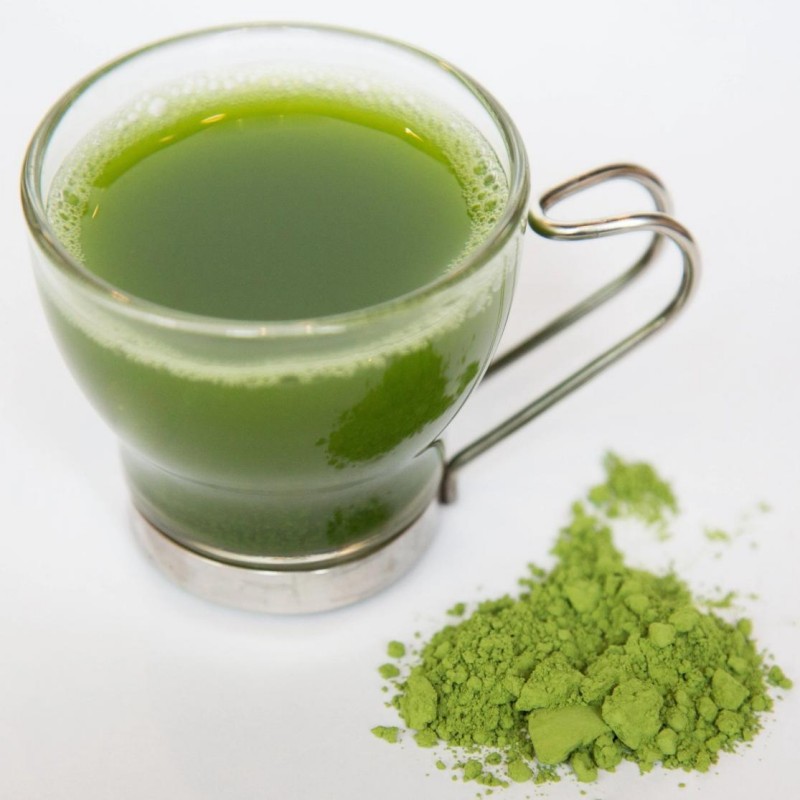
(A cup of richly colored matcha drink)
Why Matcha Quality Matters for Premium Brand Positioning
As more matcha products enter the market, brands need differentiation beyond simply adding matcha as an ingredient.Product formulation, visual performance, and ingredient quality all contribute to stronger product positioning.
Matcha’s unique green appearance, consistent quality, and product story help brands create more recognizable products and reduce reliance from similar offerings. High-quality matcha can also support premium product positioning and strengthen consumers’ perception of product value.
Building Reliable Matcha Supply Solutions for Global Brands
Successful matcha product development requires more than a quality ingredient. Brands also need stable supply and technical support.
Zhiqinghe manages quality from tea cultivar selection and cultivation to processing and production. This approach helps maintain batch-to-batch consistency and reduce quality variations during scale-up.
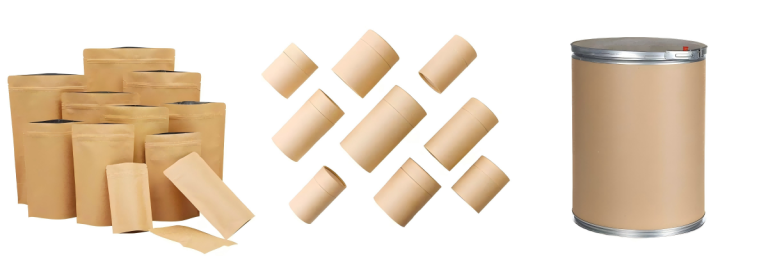
Based on different product requirements, Zhiqinghe provides customized matcha solutions for beverage and food manufacturers.Zhiqinghe also provides OEM services for matcha product development,include formulation development, flavor customization, packaging solutions, and manufacturing support. This helps customers develop products suited to their target markets.
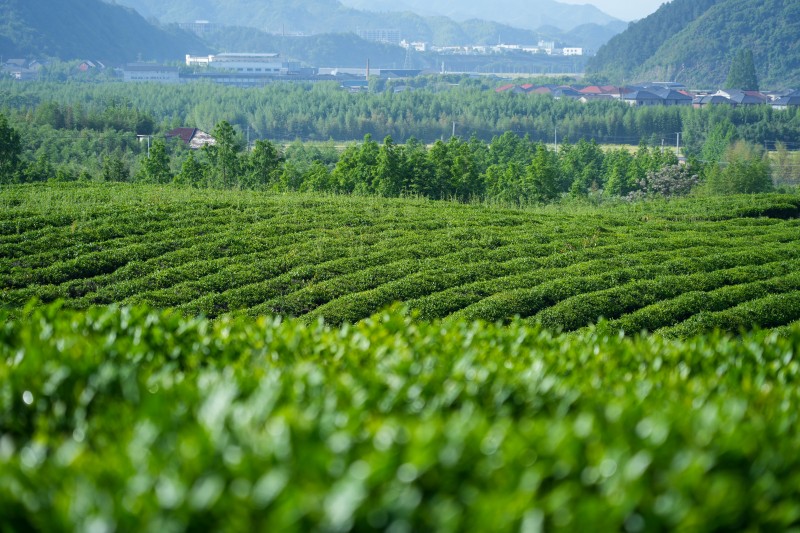
(Morning at Qinghe Tea Garden)
With stable supply, application expertise, and flexible OEM/ODM capabilities, Zhiqinghe helps global brands develop matcha products for different markets.