Hangzhou Zhiqinghe Tea Tech Co.,Ltd.
Since 1992.
Hangzhou Zhiqinghe Tea Tech Co.,Ltd.
Since 1992.
Delve into the history, varieties and efficacy of Longjing tea
Dragon Well Tea, also called Longjing tea, is one of China’s famous teas, well-known for its mellow taste and profound cultural heritage. Below, we’ll cover its origins, varieties, how it’s grown and made, brewing tips, health benefits, and how to pick quality leaves. Let’s dive in !
Longjing tea is a prized Chinese green tea. The history of Longjing tea dates back to the Tang Dynasty, and its earliest record appears in Lu Yu’s “The Classic of Tea”. It was initially cultivated in the West Lake region of Hangzhou, where the soil and monsoon climate endow it with unique flavor and name. In Chinese history, Dragon Well Tea is not only a beverage but also a symbol of hospitality and a social connector. It used to be an imperial tribute tea, and has long enjoyed a high reputation both domestically and internationally, remaining immensely popular.
West Lake Longjing (Xihu Longjing): West Lake Longjing is regarded as one of the most authentic and prestigious Longjing teas, cultivated near West Lake, Hangzhou. It is further subdivided into several subregions, like Shifeng, Meijiawu, and other areas, each offering a unique flavor profile.
Qiantang Longjing: Produced outside the West Lake region, it is moderately priced. With a natural nutty aroma, sweet aftertaste, and pleasant flavor, it is favored by many tea lovers.
Longjing No. 43:It is known for its early sprouting and strong reproductive capacity, and the tea leaves it produces have a neat appearance with relatively few fine hairs.
Longjing Long Leaf: It has long been popular for its early maturity, good quality, cold resistance and pest resistance, and it also has a high germination rate, and the brewed tea tastes fresh, tender and refreshing.
Anji Bai Cha: Though not a true Longjing, it is often classified as Longjing tea due to its similar appearance. It’s actually a white tea processed using green tea manufacturing techniques, resulting in a smooth and rich taste on the tongue with a faint grassy aroma.
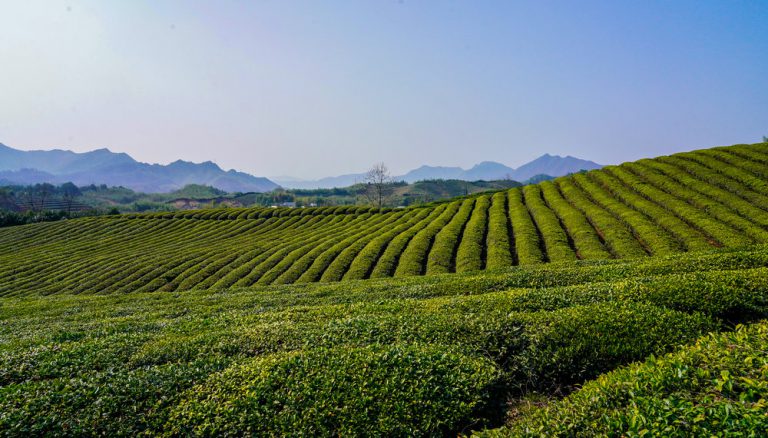
Longjing tea thrives in the West Lake region of Hangzhou, where the climate is humid and the soil is rich in loam and silt. These advantages are essential for forming the unique flavor of Longjing.
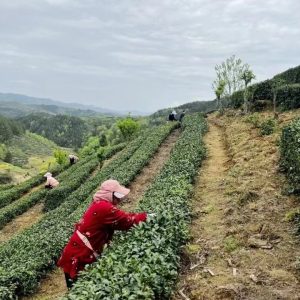
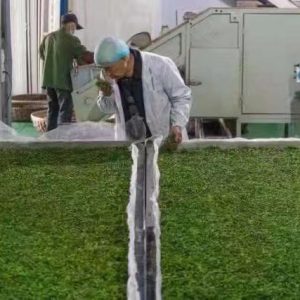
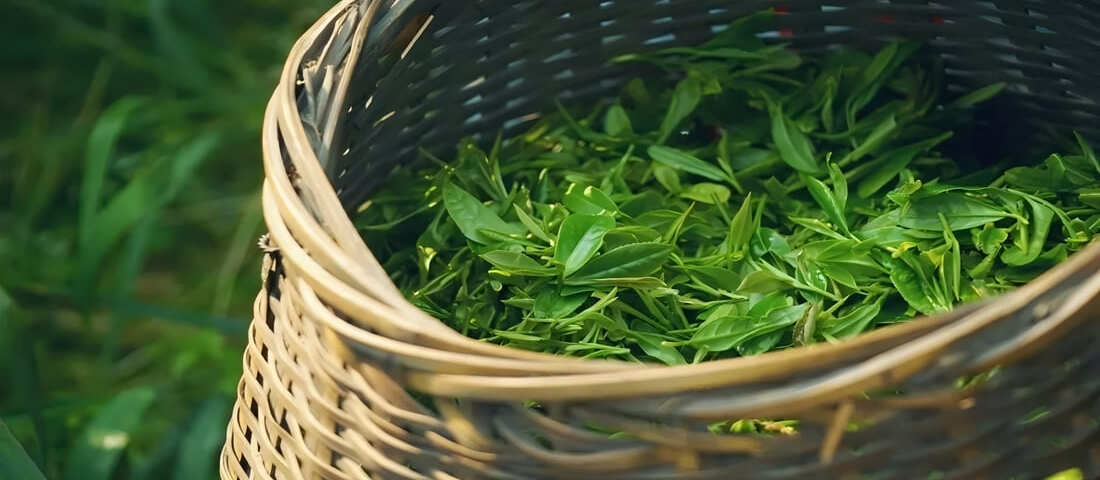
The best Longjing tea is made from the earliest spring leaves, picked before the Qingming Festival when the first shoots are at their most tender.Tea pickers select only the top two leaves and a bud, called “two leaves and a bud”. This ensures the delicate texture and high quality of Longjing tea.Freshly picked leaves are withered to reduce their moisture content, which helps enhance the tea’s natural aroma.
A traditional technique is stir-frying the leaves in a hot wok. This step prevents oxidation, shapes the leaves, and gives Longjing its signature flat, smooth appearance.
The leaves are then shaped by hand using a series of specialized movements including pressing and rolling, which contribute to the tea’s final form.The final step is drying the tea leaves to prevent the tea from spoiling. This is done carefully to preserve the tea’s color, aroma, and flavor.
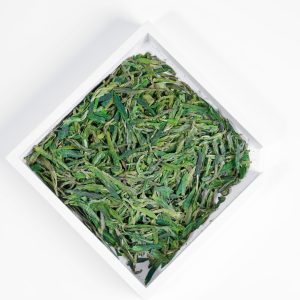
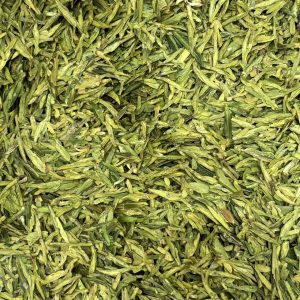
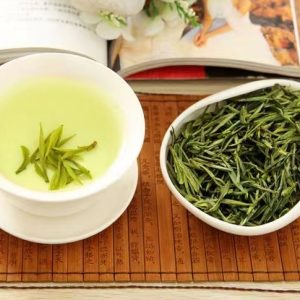
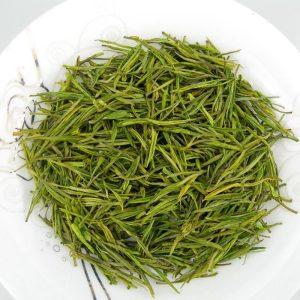
High-quality Longjing tea has a flat, smooth leaf shape and a bright, uniform emerald green hue. This neat texture is a result of meticulous processing. It offers a fresh, delightful aroma—often described as grassy with a subtle chestnut undertone, a natural character nurtured by its growing environment. It starts sweet on the palate, and lingers with a subtle astringency as a finish.
The taste is mellow and the aftertaste is refreshing and pleasant.
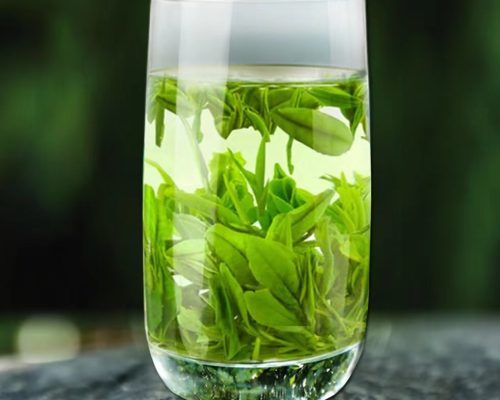
When infused, the tea leaves unfurl and show a fresh emerald hue—all are symbols of fresh and superior tea leaves.
Every cup of Longjing delivers a unique taste that comes from its high-quality cultivation and careful processing.
Longjing is abundant in antioxidants like catechins, which fight free radicals and protect cells from damage.
These catechins can lower bad cholesterol, reduce the risk of heart disease, and promote cardiovascular health.
It is also packed with caffeine and antioxidants. These compounds can enhance cognitive function and memory, supporting brain health at the same time.
Longjing tea can contribute to weight loss by promoting metabolism and increasing fat oxidation, making it an ideal choice for those who hope to maintain a healthy weight.
Longjing tea contains ample amounts of vitamins and minerals, which can enhance the immune system, and help people stay healthy and strong.
The amino acid L-theanine in Longjing tea reduces stress and anxiety, while promoting relaxation and better sleep quality.
The antioxidants in Longjing tea protect the skin from environmental damage and delay aging to keep the skin in a youthful state.
Longjing tea contains fluoride, which can effectively strengthen tooth enamel and prevent tooth decay, supporting dental health.
The leaves of truly high-quality Longjing tea should be smooth and flat, with a bright emerald green hue and a delicate chestnut aroma. Avoid tea leaves with a musty or stale smell. The tea liquor should be pale green and clear. A brownish or cloudy color suggests subpar quality. The ideal taste is sweet and refreshing, with a subtle hint of astringency. Bitterness or a bland taste could be a bad sign. Although price isn’t always an absolute indicator of quality, overly cheap Longjing tea may not offer the best experience. Reputable merchants are more likely to provide genuine and high-quality Longjing tea. The best Longjing tea is harvested in early spring, known as “Pre-Qingming” tea. Certifications such as “Geographical Indication” can guarantee the tea’s origin and quality. Be sure to store tea properly to maintain its freshness and flavor.
Use water heated to 75-85°C (167-185°F). Water that’s too hot will scorch the tea leaves. The ratio of tea to water is approximately 1-2 teaspoons per 200 milliliters (6.7 ounces) of water, and this amount yields a cup with just the right strength. Use a glass teapot or ceramic gaiwan to best showcase its color and aroma. Before brewing, rinse the teapot and cups with hot water to warm them up. This way, you’ll bring out the tea’s fragrance much better when you steep it later. Steep for 2-3 minutes for the first infusion. The subsequent brewing time can be slightly longer. Don’t let the tea steep for too long, otherwise, this can result in a bitter taste. Longjing tea can be infused multiple times, and it will reveal different flavors with each steep. Always use fresh, cold water. Stale or chlorinated water can affect the taste. Gentle pouring allows the leaves to unfurl gradually. Observe the process of the leaves unfurling, as they release their flavors and aromas. Longjing tea offers a unique experience with each cup, allowing you to appreciate the subtle changes.
To maintain Longjing’s freshness and quality, follow these storage guidelines—they’ll help you fully enjoy its mellow aroma. Store your Longjing tea in a cool place, avoiding direct sunlight and heat sources such as heating systems and stoves. Use an airtight container to keep the tea sealed off from air, as exposure can easily diminish its flavor. Keep it away from strong odors during storage, as Longjing tea can easily absorb odors from other foods. Ensure your storage container and area are dry. Dampness can lead to mold growth. You’re better off storing tea in ceramic or glass jars because they won’t affect the tea’s flavor. Steer clear of plastic bags since they might give off odd smells. Use your tea on a first-in, first-out basis to ensure you enjoy the freshest tea. Freezing can also change the texture and flavor of the tea leaves. Mark the purchase date on your container for easy tracking of its freshness.
Dragon Well Tea is a treasure of Chinese tea culture, boasting a long history and unique flavor. Its distinctive growing conditions and meticulous crafting have made Longjing tea renowned worldwide. Each sip of Longjing tea is a journey through China’s heritage, and it delivers a taste of both tradition and wellness.
Try the authentic taste of Longjing tea today and experience the wellness benefits for yourself.