How to Make Standard-Quality Matcha Powder

Ever wondered how matcha powder is made? How do those fresh, tender green tea leaves turn into that fine, bright powder? Well, making good matcha isn’t easy. Every step of the process needs strict control. Let us walk you through our full matcha production process in detail
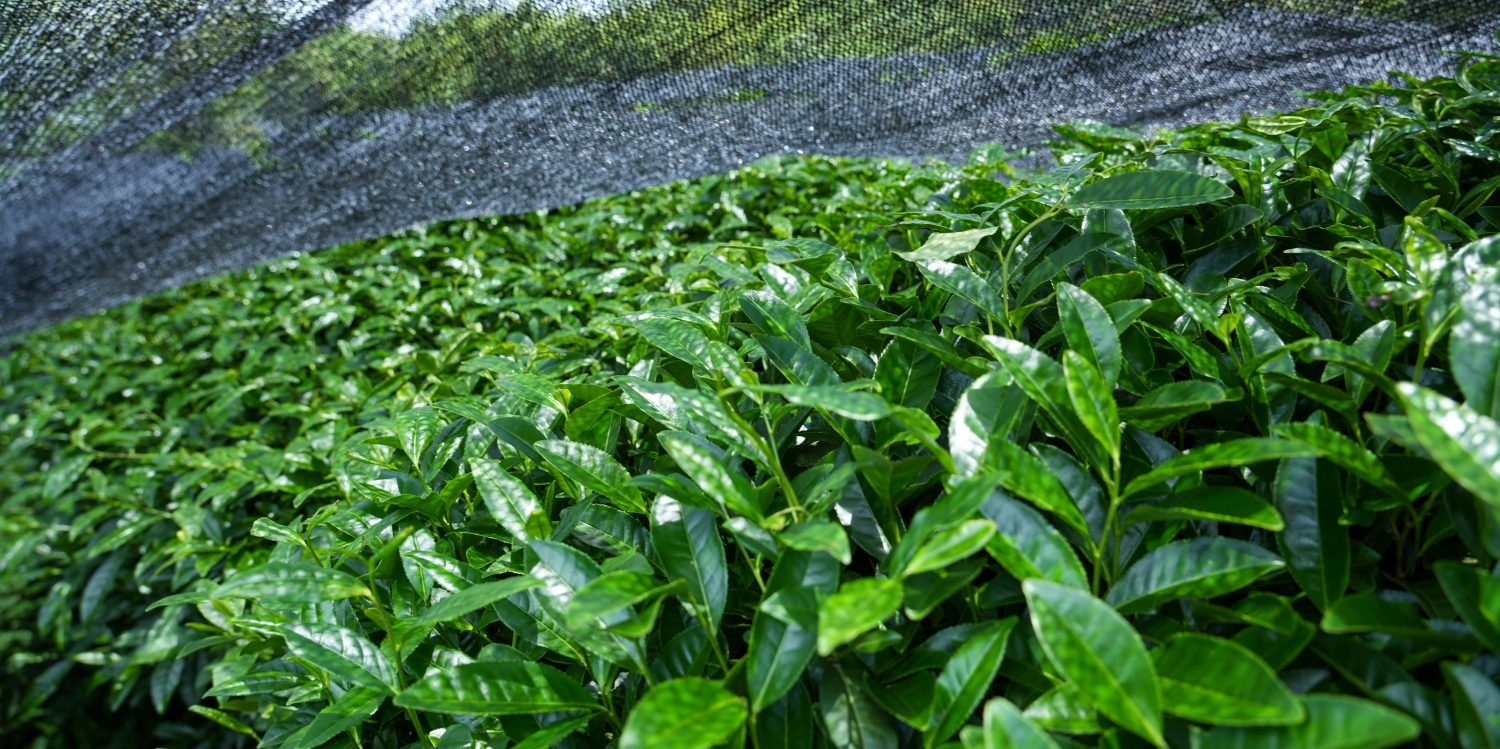
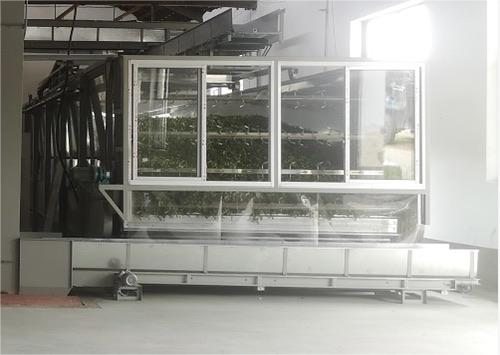
Step 1 Fresh leaves enter processing immediately

Fresh tea leaves picked by farmers in the early morning are processed immediately upon arrival at the factory. If the production line is running at full capacity, the leaves will be stored first. They are piled in a storage chute. And the stacking thickness is within about 90 cm. This specific thickness prevents the bottom-layer leaves from being crushed, smothered, and spoiled. During storage, workers will check the condition of the fresh leaves at regular intervals. The factory operates ventilation equipment to maintain fresh air in the facility and preserve the freshness of the leaves. Subsequently, every batch of fresh leaves undergoes a pesticide residue test. The substandard batches will be sent back directly.

Fresh leaves enter processing immediately
Leaves are cut to a uniform size

Step 2 Leaves are cut to a uniform size

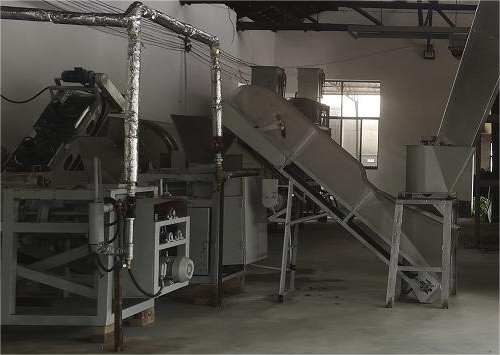
Fresh leaves in the storage chute will be sent into the leaf cutter via transfer-matic. The precisely adjusted equipment will cut the fresh leaves at the discharging pit into pieces of uniform length. The production volume of this leaf cutting line is generally stable at about 600 to 650 kilograms per hour. We adopt this standardized cutting method to lay a foundation for the uniform processing of subsequent steps such as blanching and drying.

Step 3 Tea leaves are fixed right after cutting

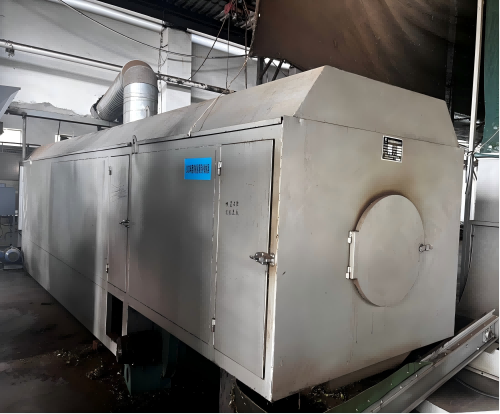
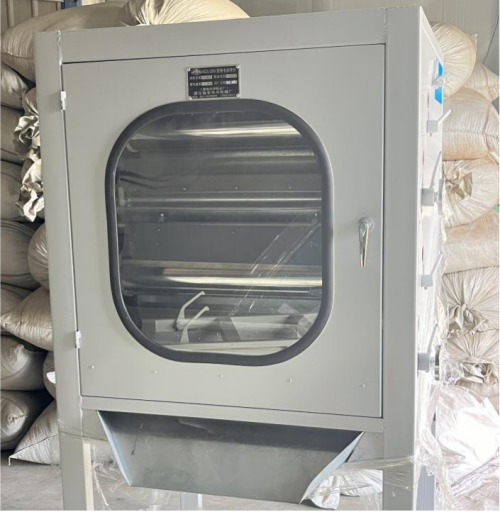
What many people don’t know is that fixation is the key step that determines the quality of matcha powder. We mainly adopt ultra-high temperature hot air drum fixation technology for this process. The equipment temperature will be controlled between 600℃ to 650℃. Green leaves enter the drum at a throughput of about 600 to 650 kilograms per hour. Fixation is completed under the action of high-temperature hot air. The entire process takes approximately three minutes. This high-temperature and short-duration fixation method can instantly terminate the enzymatic reactions in the tea leaves. It thus maximizes the retention of the fresh green color and natural aroma of the leaves, while also killing the microorganisms on the leaf surface. This basically ensures food safety. Operators monitor the condition of the tea leaves in real time through the observation window and adjust the settings based on instrument data, so that the fixation effect of each batch is more stable

High-temperature fixing
Rapid cooling locks in flavor

Step 4 Rapid cooling locks in flavor

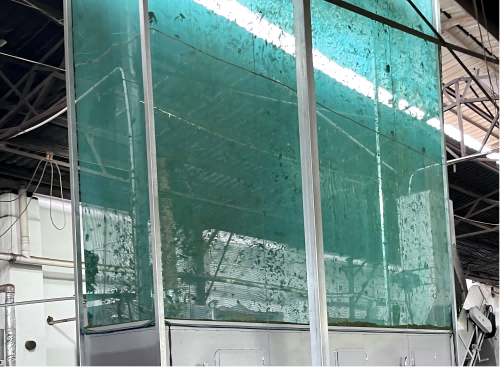
The temperature of freshly fixed green leaves is extremely high, and they need to be cooled quickly. We use high-power fans to blow the green leaves into the air, making them rise and fall repeatedly on the cooling screen for full contact with cold air. The entire cooling and dehumidification process takes about 2.5 to 3.5 minutes. This dynamic cooling method can quickly cool the green leaves down to room temperature and remove excess moisture from the surface. It prevents the leaves from turning yellow and developing a stuffy odor due to residual heat. The cooled green leaves will be immediately transferred to sealed temporary storage containers to prevent external contamination.

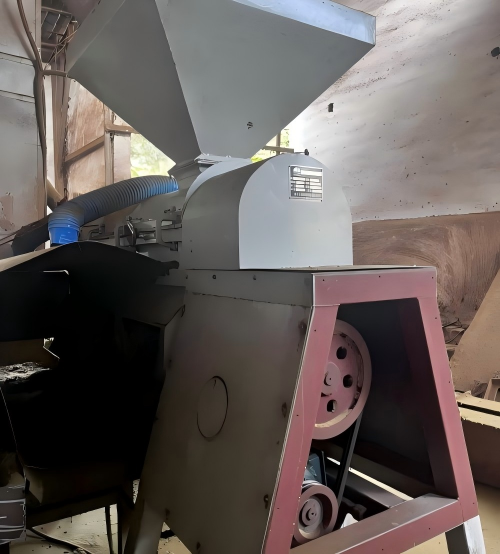
Step 5 The tea leaves are rolled, cut and shaped

The fixed leaves, after cooling, will be sent to the rolling and shaping machine for fine cutting and rolling. The rotor structure of the equipment enables precise cutting of the leaves. This cutting and rolling production line has a processing capacity of approximately 380 to 450 kilograms per hour. By maintaining a more stable rotor speed, it controls the cutting and rolling intensity while ensuring production capacity. It not only prevents tea leaf fiber breakage and flavor muddiness caused by over-cutting and rolling, but also ensures the full release of aroma compounds.

Fine cutting and shaping
First drying
First drying

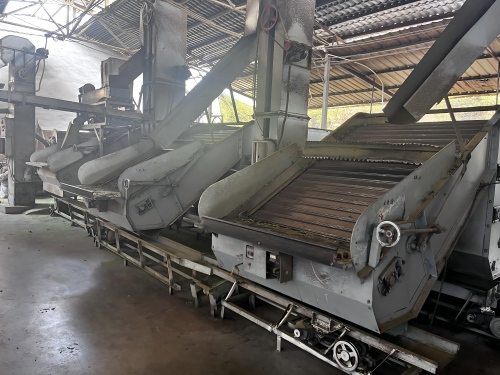
Step 6 The tea leaves get a first round of drying

Leaves after rolling and cutting will enter the initial drying stage. We operate multiple dryers in series. Working in tandem, multiple dryers ensure that the tea leaves are heated more evenly during the drying process. The entire initial drying process takes about half an hour. The purpose of the initial drying stage is to prepare for the subsequent stem and leaf separation. After initial drying, the tea leaves’ moisture content drops to an optimal range. It keeps the leaves nice and flexible. And it prevents the leaves from sticking to the stems because of excess moisture.

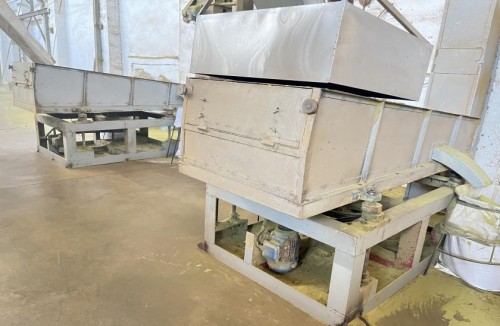
Step 7 The tea stalks will be separated out in this stage

The dried leaves after initial drying will be sent into the stem-leaf separator. Specific mesh sizes will be preset on the equipment. It precisely separates the leaves from the stems via vibratory screening. During this process, the vibration frequency and angle of the screens have both been professionally calibrated. This step can effectively distinguish the leaves from the stalks based on their density difference and simultaneously remove any impurities in the tea leaves. This mechanized separation method is far more efficient than manual separation.

Stem separation
Stem separation
Second drying for grinding

Step 8 Re-dry tea leaves to make them grindable

After separating the leaves, we need to dry them again. The right moisture level makes the leaves nice and crisp. Then we can grind them into a fine powder later on. We set the dryer temperature between 90℃ and 95℃, with the re-drying duration controlled at 6 to 7 minutes. It should be noted that the stability of the finished tea leaves during storage must be ensured to prevent moisture absorption and spoilage. After re-drying is completed, the tea flakes will be left to cool down to room temperature naturally before moving on to the next step.

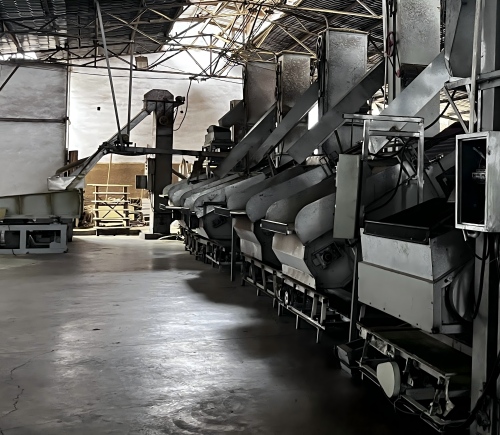
Step 9 Screening removes dust and fragments

The re-dried leaves are screened to remove dust, fine debris, and unqualified fragments. The screening line has an hourly output of 150 kilograms. We use a combination of screens with different mesh sizes to gradually refine the quality of the tea leaves, ensuring that the cleanliness of the tea leaves meets the required standards for subsequent processes. The tea leaves after screening are referred to as “pre-grinding leaves”.

Screening removes dust and fragments
Electrostatic sorting improves purity

Step 10 Electronic sorting will further remove residual impurities

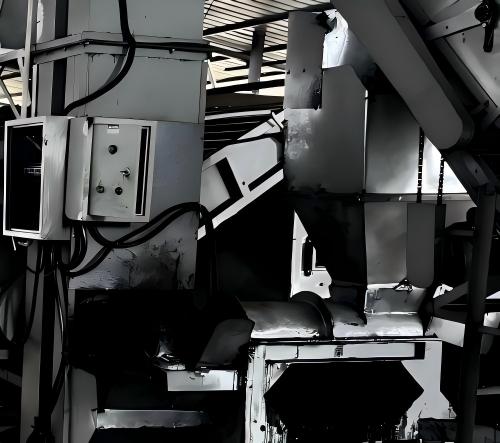
To meet the stringent purity requirements for organic food, we’ve added a dedicated electronic sorting step—static sorting. Because different materials carry different electrical charges, remaining stems, fibers, and tiny impurities can be precisely removed. The processing capacity of this electronic sorting production line is approximately 150 to 200 kilograms per hour. This step effectively removes the tiny impurities that slipped through the cracks in previous processes. This step greatly improves overall purity and we will ensure that every batch meets the testing standards for international organic certification.

Step 11 Characteristics of Qualified Tencha

After electronic sorting, the tea leaves become the semi-finished product of matcha. It is called tencha. Premium tencha has the following good qualities. It features bright, fresh green color, uniform size and spotlessly clean texture. You can smell a distinct covering aroma when you get close to it. Every batch of tencha undergoes rigorous quality inspection. Quality inspectors evaluate the tea from multiple aspects. Any defects will be spotted. These defects include dull color, inconsistent size, or weak aroma. All substandard ground tea will be returned for reprocessing and will never flow into the grinding process.

Qualified tencha inspection
Low temperature grinding

Step 12 Tencha grinds into powder at low temperatures

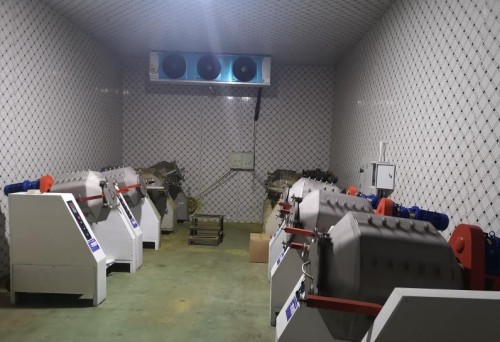
Grinding is the key step to turn tencha into matcha powder. This step has extremely high requirements for both environment and equipment. We use a ball mill system for grinding. We put 20 to 25 kilograms of tencha into the mill each run. The grinding process lasts for 20 to 22 hours. Temperature rise during grinding may damage the tea’s nutrients and aroma. So the temperature in the grinding workshop is typically kept below 15 degrees Celsius. Humidity is also maintained below 50%. Long-time slow grinding at low temperatures can turn tencha into ultra-fine powder. The final powder is fine and uniform. It feels silky smooth to the touch. It dissolves quickly when brewed. There will be no sediment at all.

Step 13 The finished product undergoes iron removal and inspection

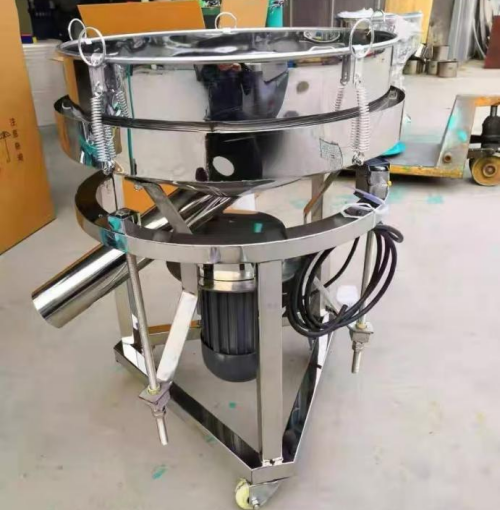
Matcha powder after grinding needs to go through three safety inspection steps. These steps are iron removal, sieving and metal detection. The first step is to turn on the sieving machine. The matcha powder first passes through the iron removal device. It removes any possible iron impurities mixed in. Then the powder is sifted through an 80-mesh sieve. This controls the uniformity of the powder. We turn on the surface impurity removal device during sieving. It removes surface dust. Once sieving is done, the matcha powder is sent to the metal detector. We adjust the instrument sensitivity in advance. This allows us to detect extremely fine metal impurities. Food safety is our bottom line. Only matcha powder that passes these three tests can enter the finished product stage.

Safety inspection and metal removal
Final matcha product

Step 14 The final product — matcha

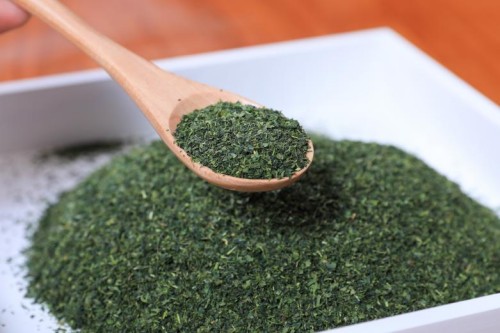
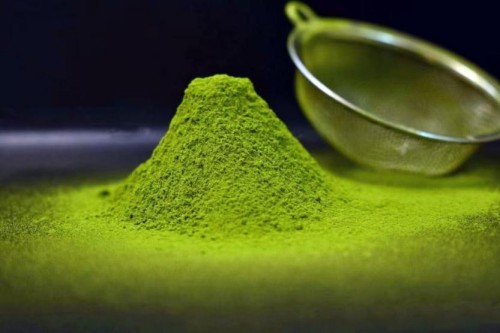
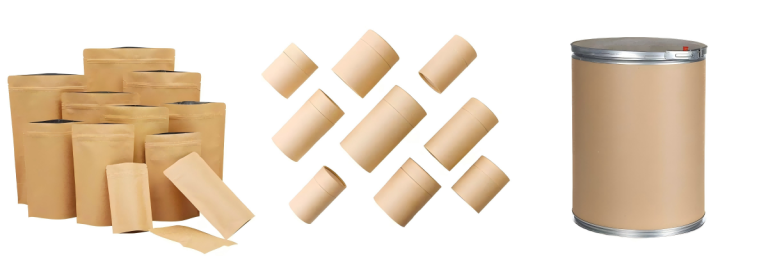
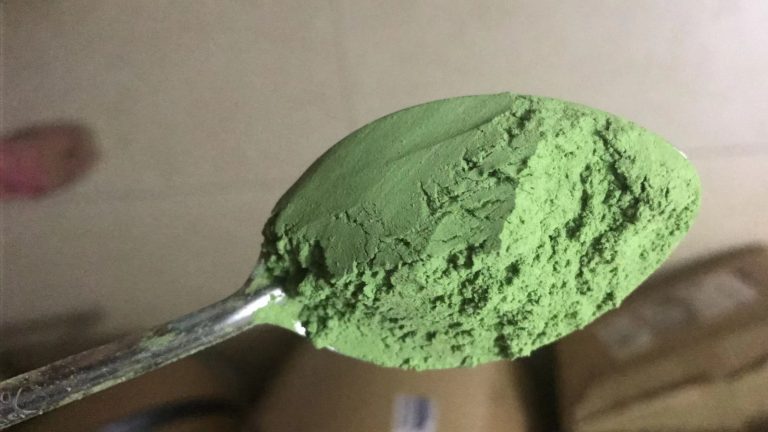
The final product is matcha powder. You can tell its quality at a glance. It has a bright, fresh green color, a fine and even texture, plus a rich natural fragrance or a unique umami aroma. We take samples from every batch for testing. We check it thoroughly across multiple aspects—color, texture, fragrance, purity and more. Only the qualified products make it to the packaging stage. We use vacuum-sealed aluminum foil bags. This method effectively keeps air and moisture out. It locks in the freshness and fragrance of the matcha powder tight, making sure every pack delivered to our customers stays in the perfect condition it was in right after grinding

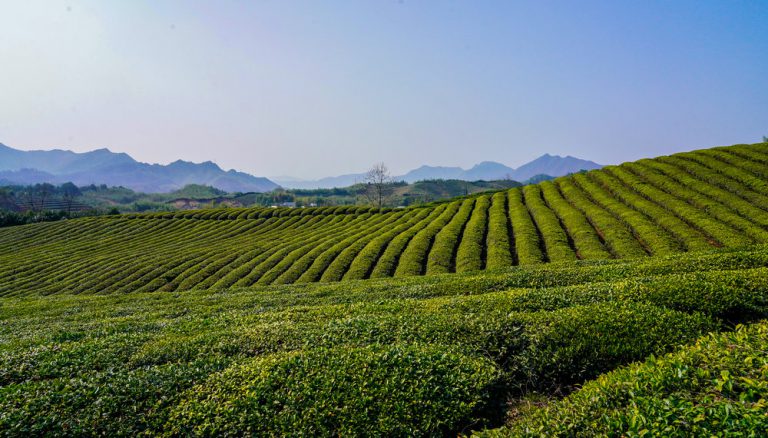
We run our own tea garden right in the production area. We grow the tea and process it ourselves—no fancy gimmicks here. From a single tea bush in our garden to a spoonful of matcha in your cup, we put our heart into every step of the way. Whether you’re baking with it, making a latte, or just brewing it straight, you’ll taste the pure, fresh flavor of the tea leaves.

Leave a Reply

Your email address will not be published. Required fields are marked *