Hangzhou Zhiqinghe Tea Tech Co.,Ltd.
Since 1992.
That cup of green tea in Su Dongpo′s old days
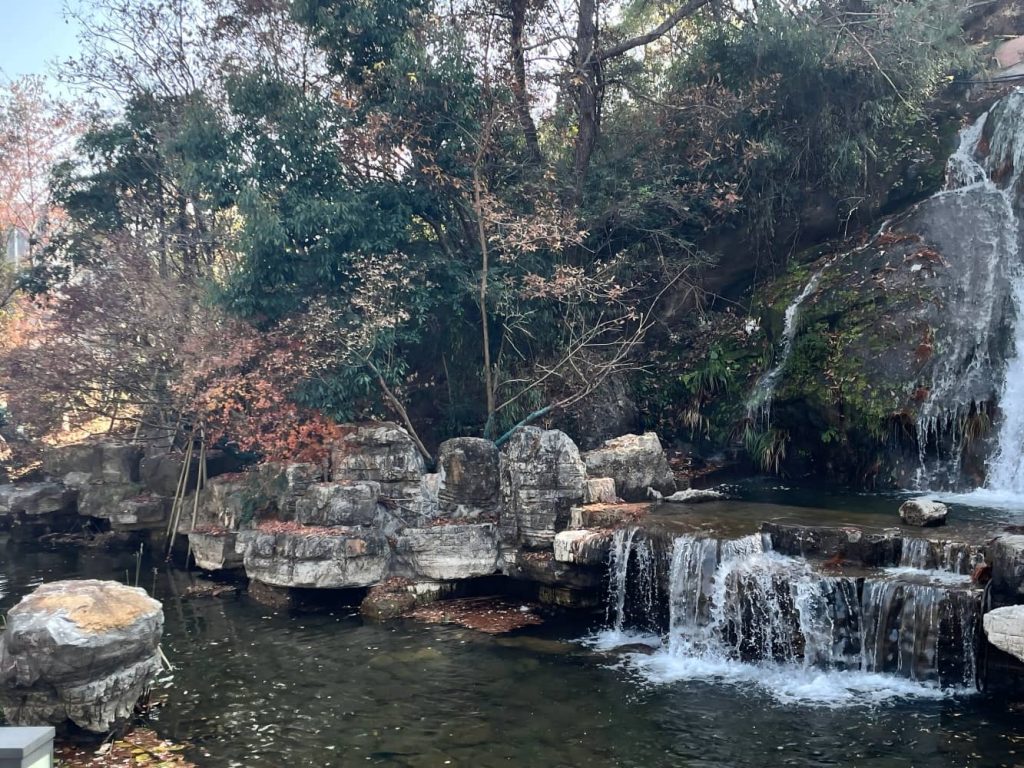
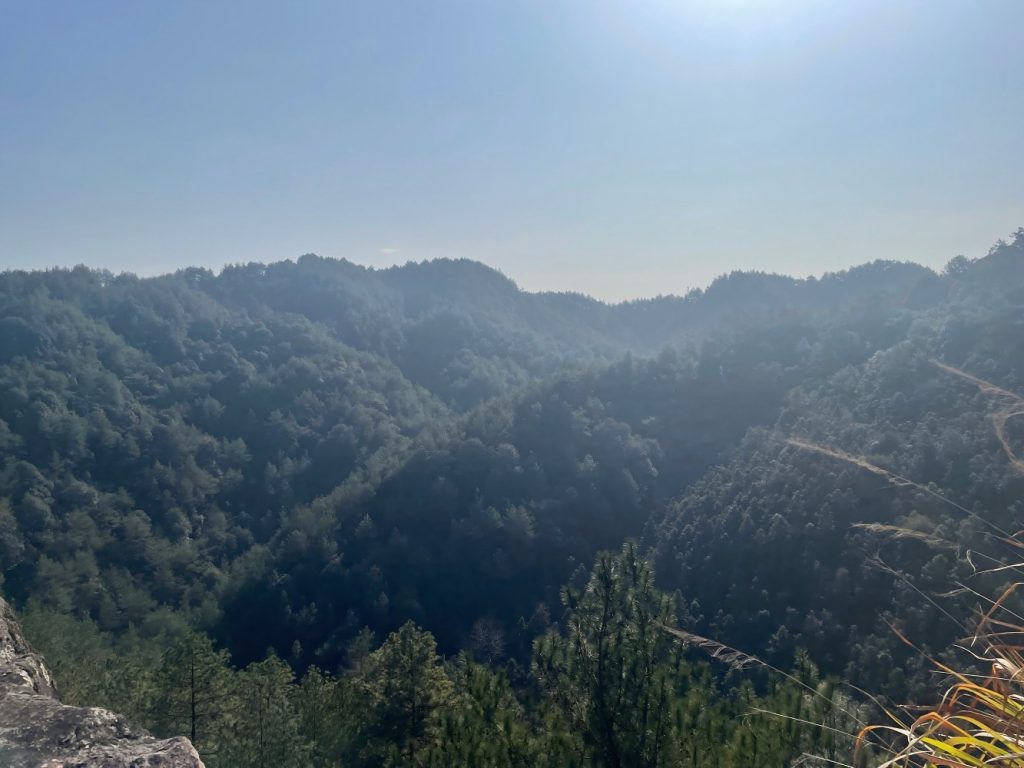
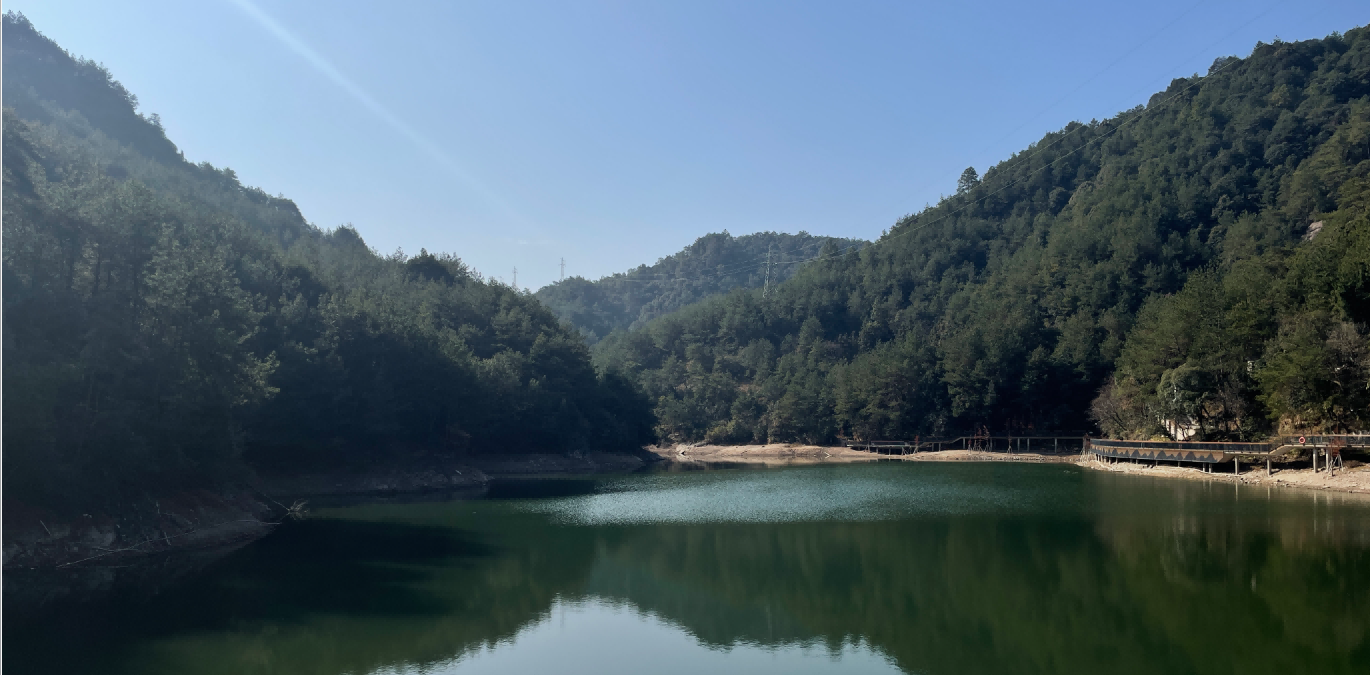
Linglong Mountain is tucked away in the mountains of western Zhejiang’s Lin’an District. The mountain is not that high. You will slow down your pace naturally once you step onto the stone steps. The air is slightly moist. When you walk, you will find the nice scenery is not the main attraction. What is more memorable is the stories and characters related to Su Shi.
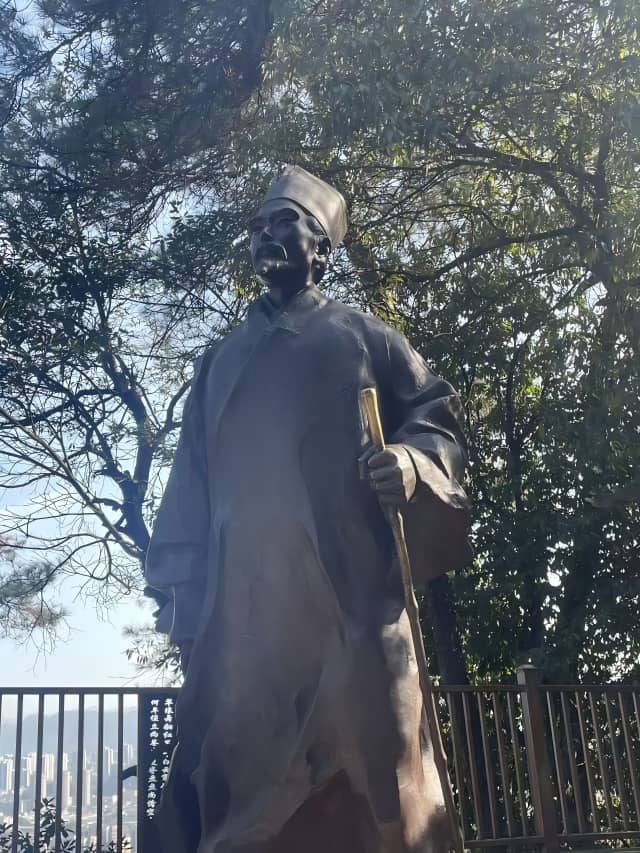
Su Dongpo′s tales from Linglong Mountain
The first story is about Su Shi and Qin Cao. Su Shi knew Qin Cao when he was working in Hangzhou. Qin Cao was a famous songstress in Hangzhou during the Northern Song Dynasty. She was born into an official family. Later her family fell on hard times and she was forced into the entertainment business. With her clear and beautiful voice, exceptional talent and sharp understanding of poetry, she became a highly celebrated literary talent in Hangzhou back then. She won the admiration of countless scholars and poets.
It is said that once on a boat drifting across West Lake, Su Shi dashed off a line of verse, “The lane outside my door is quiet now, no more carriages or horses. When I grew old, I married a merchant man.” It was like the poem woke Qin Cao up. It suddenly clicked for Qin Cao what she was going to do next. After that, she went to Linglong Mountain and became a nun.
Su Shi went to visit her several times to persuade her to go back, but he failed. When they met each other, they just exchanged a few casual words for the most part. There was always a pot of green tea picked and brewed by the mountain monks. And there they left many great memories.
Su Shi was exiled to Hainan later while Qin Cao wasted away and died in the mountains. Qin Cao’s body was buried on Linglong Mountain. Many years later Su Shi heard about Qin Cao’s death. That dull pain of being too late could not fade away like the mist in the mountains. That unspoken regret hung in the air. It lent a faint, indescribable sadness to every breeze blowing through Linglong Mountain.

And that’s the story of Su Shi and Qin Cao. There is another story about Su Shi and Linglong Mountain which was carved on the mountain rocks. One September, Su Shi came to Lin’an on business and drank with the local county magistrate all night. The next day, still a bit tipsy, he headed off to climb Linglong Mountain. The mountain path twisted and turned nine times and he suddenly grew interested. He grabbed his brush and scrawled the words, “Jiuzheyan” (Nine-Bend Rock). Later people carved these words onto the rock.
Halfway up the mountain, the wine started to kick in. He saw a big rock nearby that looked like a bed and he fell asleep right away. As he stirred awake, the sound of a bubbling spring drifted to his ears. Feeling great, he casually scrawled another inscription, “Dongpo’s Drunken Slumber Stone.” The words you see now were recarved during the Republican period.
How deeply Su Shi loved tea
People who know Su Shi know that he always had two things with him: alcohol and tea. Alcohol was for lifting his spirits. Tea was for cutting through the greasiness. He not only loved drinking tea but also knew a lot about it. He wrote famous lines of poetry: “Light the new fire to brew fresh tea. Seize the fleeting years with poems and wine” (Xin Huo Xi Chao Xin Cha, Yi Nian Xu Yin Shi Jiu). It showed his deep love for tea.
For Su Dongpo, tea was never just for quenching his thirst. He remembered every place with the tea he’d drunk there. Years later, catching a whiff of mountain tea still brings back the damp mountain air from that journey, and all the sounds he heard walking those winding paths.

Tea was always with him no matter whether he was in Huangzhou or back in Hangzhou. For him, tea could quench his thirst. It could also calm him down gradually. Whether he was busy or exiled, he would boil a cup of tea first.
Su Dongpo and Lin’an’s tea had long been bound by fate. When he was working in Hangzhou, he always went to Lin’an for sightseeing to have cups of Lin’an tea. The green tea of Lin’an has long been famous. In his poem Staying at Jingtu Temple in Lin’an, he wrote “Wake up to boil spring water from the rocks. Brew Zisun tea till it yields soft, creamy froth.” That described a scene of brewing tea with simmered mountain spring water. The “Zisun Tea” referred to the great local wild tea of Lin’an. Even today, the misty Tianmu Mountains have the same nurturing environment for tea trees.
From Linglong Mountain to the wider Tianmu tea region
Linglong Mountain belongs to the Tianmu Mountains. Mist and streams are not just found on Linglong Mountain. If you follow the mountain range outward to Yuqian, you will find the same misty, water-rich landscape, perfect for tea trees.
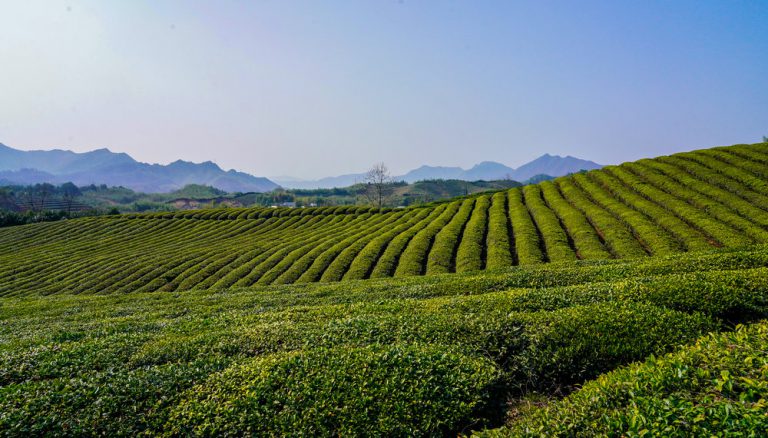
Our Zhiqinghe tea farm is nestled in the foggy valleys here in the Tianmu Mountain area.
Tea was always with him no matter whether he was in Huangzhou or back in Hangzhou. For him, tea could quench his thirst. It could also calm him down gradually. Whether he was busy or exiled, he would boil a cup of tea first.
Su Dongpo and Lin’an’s tea had long been bound by fate. When he was working in Hangzhou, he always went to Lin’an for sightseeing to have cups of Lin’an tea. The green tea of Lin’an has long been famous. In his poem Staying at Jingtu Temple in Lin’an, he wrote “Wake up to boil spring water from the rocks. Brew Zisun tea till it yields soft, creamy froth.” That described a scene of brewing tea with simmered mountain spring water. The “Zisun Tea” referred to the great local wild tea of Lin’an. Even today, the misty Tianmu Mountains have the same nurturing environment for tea trees.
Swap this stretch of mountain trail for a cup of tea
Linglong Mountain is perfect for a slow climb. It only takes half a day to walk up. You’d better go there in the morning or after rain. The air is very fresh. You can also visit scenic spots like the Nine-Bend Rock and the Drunken Slumber Stone along the way. No need to rush. Wander Linglong Mountain and you will breathe in moist air. The only downside is your throat will get dry if you walk too long. So you can see that most hikers are holding a teacup in their hands. When you feel tired just sit down in the mountain pavilion and take a sip of tea. Then your body and mind fully unwind. You can easily understand why he always stopped, no matter how busy he was, to brew a cup of tea first.

If you cannot go there for the time being, you can buy authentic mountain tea from our Zhiqinghe tea farm. Here is a tip for brewing the tea. The water temperature is best around 85 ℃. Take 3 to 5 grams of tea leaves. Pour hot water over them and wait for about ten seconds before you drink it. The sweet taste of the tea soup will become more distinct on the second brew. It is just like bringing back the refreshing feeling of the mountains.